
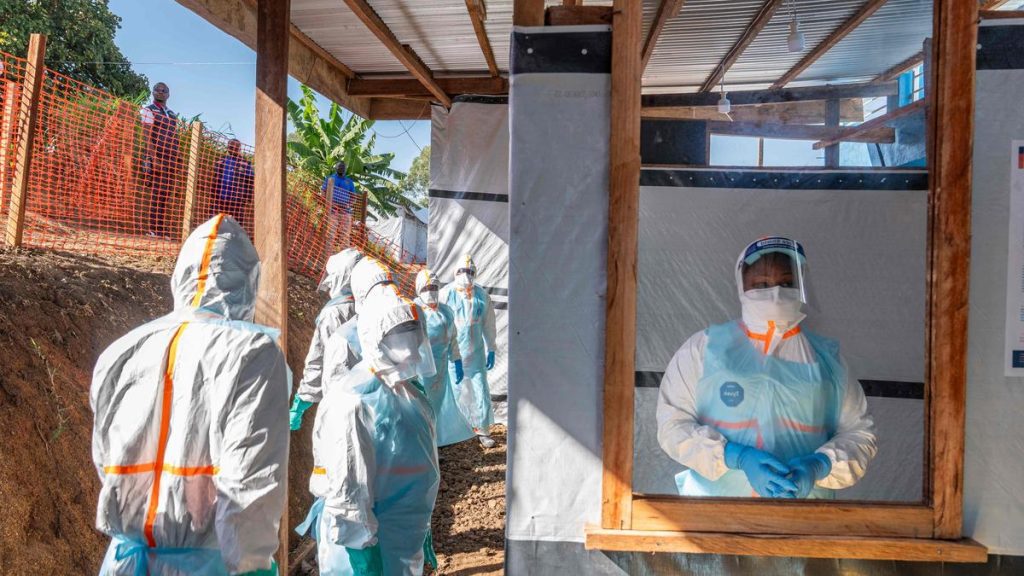
The ongoing Ebola outbreak is now the second-most lethal on record and the deadliest in the history of Democratic Republic of Congo. Only the epidemic in West Africa in 2014-16 killed more people.
The growing proportion of confirmed Ebola patients dying after an infection is an indication of persistent shortcomings in the response, experts say. Delayed detection, overwhelmed surveillance teams, armed conflict and a lack of vaccines and treatments for the species of the virus involved have allowed Ebola to outrun containment efforts this time. Health officials say the current outbreak is spreading five times faster than previous outbreaks did in Congo at this stage. The current outbreak reached that figure in roughly two months.
The grim milestone was reached on Sunday when government data showed that confirmed deaths topped the toll for Congo’s 2018-2020 Ebola outbreak, previously the worst the country had seen. There are now 4,945 cases confirmed, including 2,325 deaths, according to the latest data published on Sunday. The 2018-2020 outbreak in Congo ended with 3,481 cases and 2,299 deaths recorded over two years. It took more than 10 months to hit 2,000 confirmed cases in that outbreak. In the West Africa epidemic, the World Health Organization recorded more than 28,000 cases and 11,000 deaths across Liberia, Guinea and Sierra Leone. The case fatality rate, as this figure is known, has risen from about 20% in early June to 47%, according to government data. Unlike the more common Zaire species behind the 2018-2020 outbreak, for which vaccines and treatments exist, there is no licensed vaccine or proven treatment for the Bundibugyo species.
