The story so far: The Ebola outbreak in the Democratic Republic of Congo (DRC) has now become the deadliest in the country’s history as deaths cross 2,300 mark as of August 18, 2026.
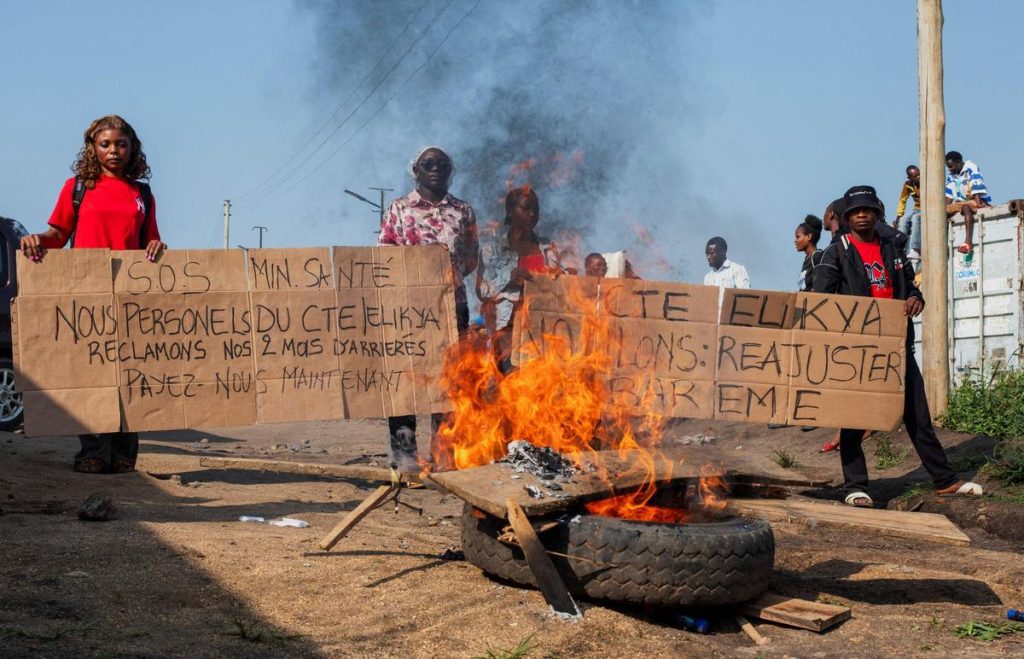
This ebola outbreak — the 17th in the country — spread to a sixth province with a death reported in Bas-uele. The country’s Health Minister had earlier cited the case of first-reported death and the subsequent delays as a cause for escalation of the spread of the disease. As cases and deaths mount, the strife-torn DRC is struggling to contain the spread of the deadly disease. the disease has also affected people in North Kivu, South Kivu, Haut-Uele and Tshopo provinces While Ituri still shoulders a heavy burden with a maximum number of cases. It was declared a Public Health Emergency of International Concern by the WHO three months ago. Authorities then have to rely on identifying cases to check transmission. The ongoing rebel conflict, inadequate health surveillance and other facilities, deep distrust in authorities, burial practices which involve touching of the body (Ebloa spreads through contact with blood or bodily fluids of a person infected with or has died of disease), misinformation regarding ebola has severely impeded containment efforts.
The outbreak is on track to surpass the 2014-16 outbreak in West Africa, the deadliest on record with over 28,616 cases and 11,325 deaths, according to the World Health Organization (WHO). The country has reported over 2,325 deaths, exceeding the toll of 2,299 reported in the previous outbreak, according to the WHO. The fatality rate has increased to nearly 47%. The number of confirmed cases stood at 4,945, including the 101 new cases detected in the previous 24 hours. Around 1,040 people have recovered and while 730 are still hospitalised or in isolation.
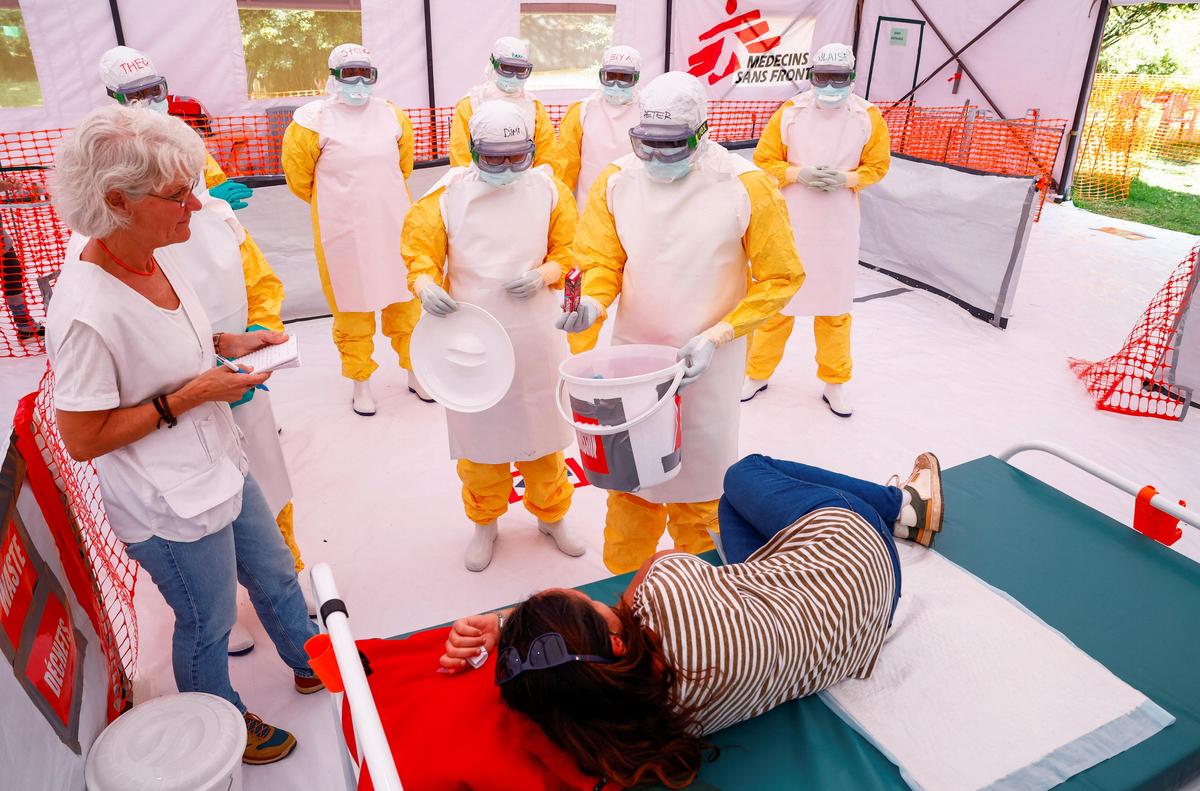
“..we’re still seeing many cases detected very late, when treatment is less likely to succeed, with many identified only after they die in the community,” said Thomas Parisch, a public health specialist recently deployed to DRC with Medecins Sans Frontieres Though the outbreak was formally declared on May 15, WHO says genetic sequencing showed that the virus had actually begun circulating in February.