
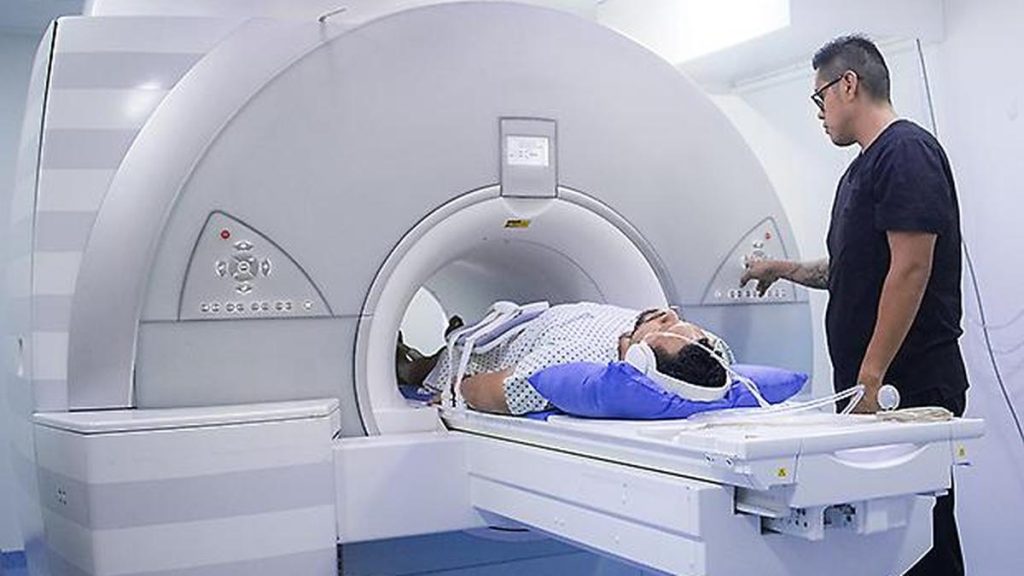
An abrupt spasm after hoisting something heavy, pain radiating down the leg or an ache that won’t go away can lead quickly to one question: should I get an MRI? Back pain has a habit of making us fear the worst.
In reality, most cases of acute low back pain get better without an MRI, a CT scan or even an X-ray. Routine imaging for uncomplicated low back pain, especially in the absence of any warning signs of a serious underlying condition is not recommended by international guidelines. Sometimes these incidental findings can cause unnecessary anxiety in patients who may believe that their spine is ‘damaged’ when in fact, the finding may simply be a normal part of ageing.
Imaging that does not change treatment can therefore add cost, worry and sometimes unnecessary interventions.
A significant trauma, particularly in older patients or patients with osteoporosis where a fracture needs to be excluded, is one important situation. Imaging may also be indicated if there is a history of cancer, unexplained weight loss, fever or other signs that cause the doctor concern and need checking for an infection or malignancy. A medical emergency is suspected if there is back pain with new problems in controlling the bladder or bowel, or numbness around the groin and inner thighs. These symptoms may be a sign of a serious condition called cauda equina syndrome, which is compression of the nerves at the bottom of the spinal canal. Urgent imaging, usually an MRI, is important in these cases. Back pain should be taken seriously. But taking it seriously does not always mean rushing for an MRI. In most cases, a complete history and physical examination will enable the clinician to decide if imaging is really needed. When red flags are visible, timely scans can be critical. Avoidance of unnecessary imaging is just as important in their absence. (Dr. S. R. Patil, Consultant Brain and Spine Surgeon, Hosmat Hospital, Bengaluru. [email protected])
For many people with a simple episode of back pain, the first step is careful clinical evaluation, appropriate pain management, staying as active as possible and a structured rehabilitation or physiotherapy programme when required. Most simple cases will clear up in a few weeks. Imaging may also be indicated if the pain persists or worsens progressively after an adequate period of conservative treatment, especially if the results will affect decisions regarding an injection, surgery or other specific intervention.
The question is not just, “How long have you had back pain?” but “Is this scan going to change what we do next?”
