
Trees provide many benefits, including helping cool the neighbourhood, keeping soil from getting eroded, drawing carbon from the environment and storing it, and supporting many birds, small animals, and insects. However, these effects are beneficial only when trees are in the right ecosystem; otherwise, they can be harmful.
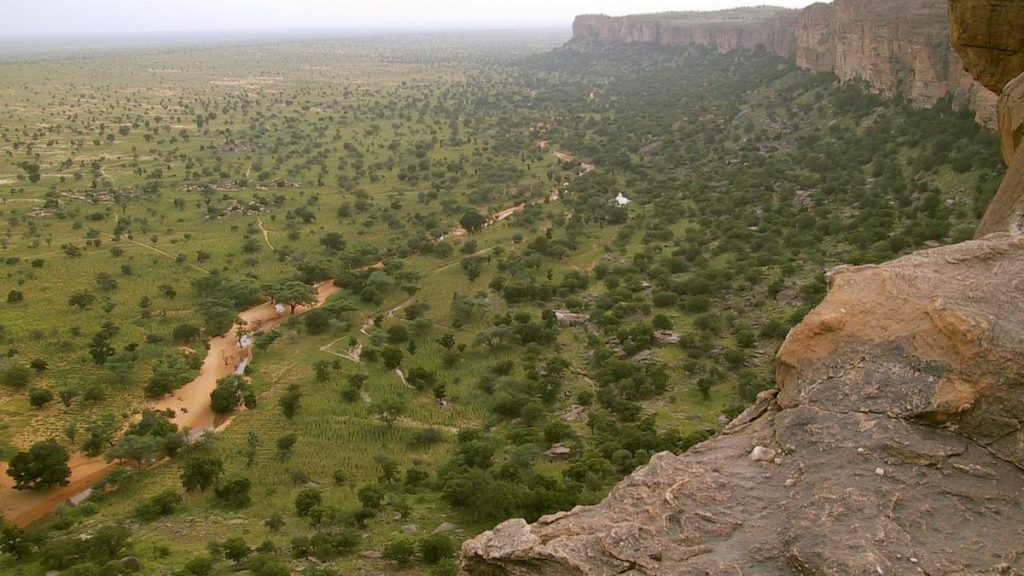
Forests are only one kind of ecosystem. Others include grasslands, savannah, scrubland, wetlands, and deserts, plus many naturally open ecosystems. Some of them depend on the absence of tree cover. All of them perform important ecological functions.
As University of California professor of history and geography Diana Davis has written, “The assumption that the world’s drylands are worthless, deforested, and overgrazed landscapes has led … to programs and policies that have often systematically damaged dryland environments”.
To ecologically restore a place does not always mean planting more trees. Instead, it is to do whatever will protect or restore the ecosystem that would naturally occur there. In the same vein, planting trees or regenerating forests is only valuable where forests have been degraded or cleared and where a forest is the native ecosystem.
