
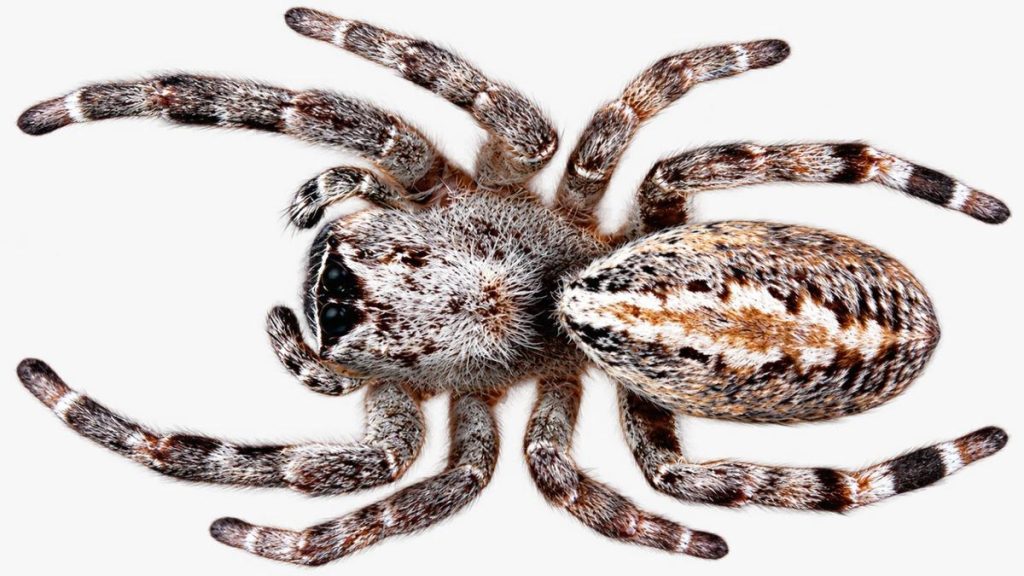
A team of Indian researchers has produced the first comprehensive molecular and functional profile of the venom gland of Stegodyphus sarasinorum , a colonial spider species found across the Indian subcontinent, to identify numerous proteins and small molecules that could serve as promising leads for future drug discovery.
Published in Springer Nature’s peer-reviewed, open-access journal Scientific Reports , the study identifies bioactive compounds associated with anti-cancer, antimicrobial and immune-related functions, while also demonstrating that venom gland extracts can kill cancer cells under laboratory conditions.
The researchers caution, however, that the findings represent an early stage of biomedical research and require extensive validation before any clinical application becomes possible. Lead researcher A.P. Ajay Kumar of the Department of Zoology at Sree Neelakanta Government Sanskrit College, Pattambi, led the multidisciplinary study. this is the first study to comprehensively analyse the molecular composition of the venom gland of this species using an integrated multi-omics approach, the researchers emphasise Although spider venom has long attracted scientific interest for their diverse biological activities. The research team combined transcriptomics, proteomics, metabolomics and Confocal Raman Spectroscopy to examine the spider’s venom gland in great detail. To investigate the biological activity of these molecules, the researchers tested venom gland extracts against Dalton’s Lymphoma Ascites (DLA) cancer cells in laboratory experiments. The extracts exhibited dose-dependent cytotoxicity, meaning that higher concentrations destroyed a greater proportion of cancer cells. Among the most significant discoveries was the identification of several protein families that are already known for their biomedical relevance. These include hemocyanin proteins, which are known to stimulate immune responses and have attracted considerable interest in cancer immunotherapy research. The study also detected U12 and U20 lycotoxins, peptide molecules that can disrupt the membranes of bacteria and cancer cells, making them promising templates for the future development of antimicrobial peptides and targeted anti-cancer compounds.
Their analysis identified 31 protein components through transcriptomic profiling and 32 proteins through proteomic analysis. In addition, Ultra High-Performance Liquid Chromatography-Mass Spectrometry (UHPLC-MS) detected 81 metabolites, including amino acids, biogenic amines and organic acids to provide a detailed molecular inventory of the venom gland.
