
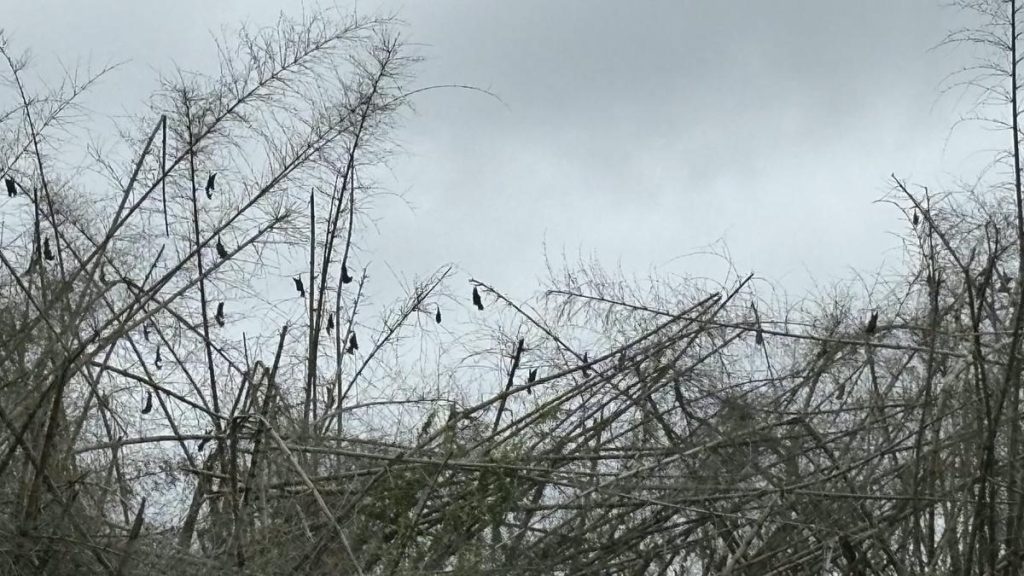
The synchronous mass flowering and subsequent die-off of bamboo across forest landscapes can trigger a chain of ecological shocks — from invasive weed outbreaks and intense wildfires to rodent population explosions and spikes in human-elephant conflict, a study by Dr. T.V. Sajeev of the Kerala Forest Research Institute (KFRI), Peechi, Thrissur, Keralam, has warned.
Published in Frontiers in Ecology and Evolution , the study calls for forest departments to move from reactive crisis management to anticipatory, landscape-level planning, particularly in fragmented ecosystems such as the Western Ghats. These extensive light gaps raise topsoil temperatures, speed up moisture loss and trigger rapid nutrient mineralisation. The openings then become prime sites for opportunistic invasive plants. Instead of native climax tree species regenerating, invasive weeds such as Senna spectabilis, Mikania micrantha and Lantana camara can quickly take over, he notes. The study highlights Senna spectabilis , an invasive tree that heavily infests protected reserves in southern India. Its fallen foliage releases toxic secondary metabolites, mainly phenolics, fatty acids and terpenoids, into moist soil. “Driven by the need to find food, herds can expand their ranges and travel greater distances. This can push them beyond protected-area boundaries and into agricultural fringes. The result is a sharp rise in human-elephant conflict, including crop losses, property damage and threats to human life. Repeated losses can also erode the goodwill of communities living around forests towards wildlife conservation,” the study points out. Dr. Sajeev notes that gregarious flowering can carpet the forest floor with carbohydrate-rich bamboo seeds, sometimes producing thousands of kilograms of seed biomass per hectare. The abundance of food can cause explosive population growth among granivorous rodents such as Rattus and Melomys species. Drawing parallels with historical Mautam famines in northeast India, the study warns that such rodent irruptions can cause extensive agricultural losses and increase the risk of zoonotic infections, including scrub typhus and hantaviruses, among rural communities, he warns. “Such fires can destroy vulnerable bamboo seedlings, burn soil organic matter and volatilise topsoil nutrients. This can create a self-reinforcing degradation cycle in which fire-adapted invasive weeds gain ground while native forest recovery suffers,” the study points out.
