
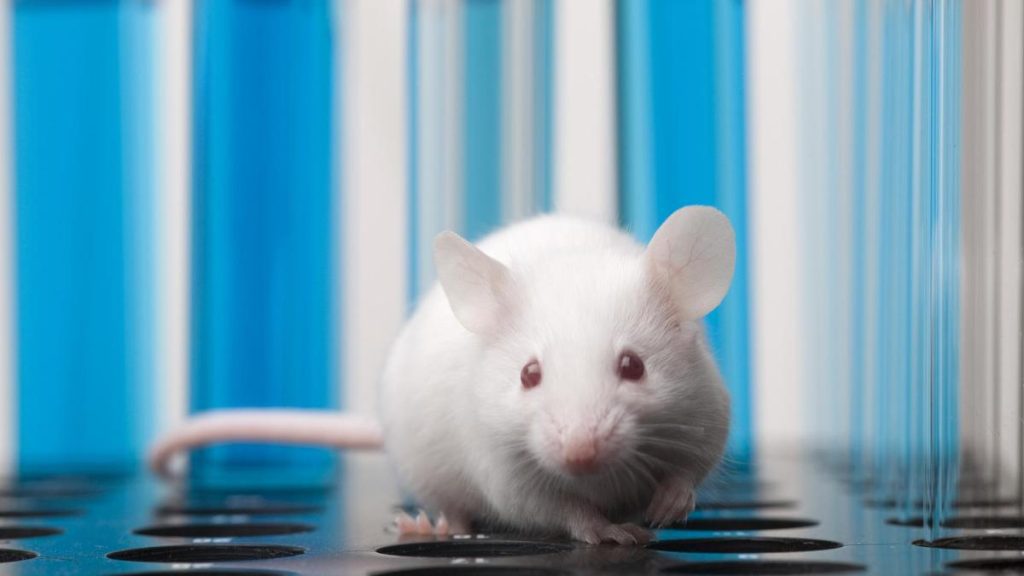
A three-question test on nine South American rodent species could help scientists judge which small animals are most vulnerable to environmental change and which are best equipped to adapt to a warming world.
The research revealed that the Phyllotis vaccarum rodent, flexible on all three counts, top-scored with six. The scientists had limited data on the heat tolerance and population size of the small mammals they worked on. The Abrocoma schistacea, which is active only by day, sticks to one habitat and has a narrow diet, scored zero.
A reason was that about 30% of the world’s 2,700 rodent species have never received a formal risk assessment from the International Union for Conservation of Nature (IUCN). They began observing nine chosen rodent species from Argentina and Chile to record their capacity to adapt to environmental change based on three fundamental behavioural traits: diel activity (a regular 24-hour cycle in the environment or an organism), habitat use and diet. The answer to each trait-based question—when the species is active, how varied its habitat is, and how diverse its diet is—was scored from 0 to 2, giving a total of up to six. The other seven species scored 1 to 5, with the Necromys lilloi taking the mid-spot.
The scores were sorted into five categories, from “very strong” to “very poor” capacity to adapt.
They suggested their method could help decide which species needed urgent study, which might benefit from connected habitats or climate refuge and which need closer protection where they live. Global temperatures are expected to rise by between 1.5°C and 4.5°C by the end of this century, bringing more heatwaves and droughts, according to the study. In the most severe warming scenarios, about 15% of species worldwide could face extinction, with wildlife in mountain regions facing a greater risk.
The authors said the scores offer a useful first guide as most of the nine species had either not been evaluated before or were data deficient. However, they said their scoring method was not meant to replace full vulnerability assessments, which also consider how exposed a species is to changing conditions and how sensitive it is to them.
