
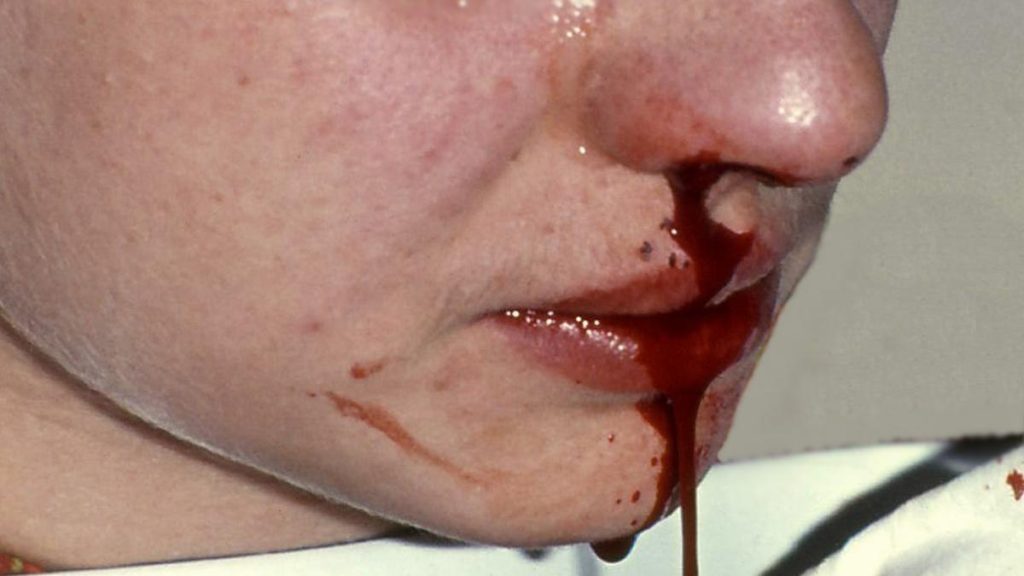
They can occur in one or both nostrils, but usually affect one. The medical term for a nosebleed is epistaxis. Because the sight is somewhat gory, but a nosebleed, in general, isn’t a cause for major concern, it always creates apprehension.
Occurring mostly in the under 10s and the over 45s, nosebleeds are very common: about 60% of the population is estimated to experience one in their lifetime.
In general, nosebleeds aren’t serious and can be treated at home. In some circumstances, however, it is best to consult a medical professional. A doctor should also be consulted if the person with the nosebleed has other health issues such as a bleeding disorder, or high blood pressure, or if the person is a child under two years old.
Nosebleeds can also occur due to injuries to the nose, the insertion of objects into the nose, a deviated septum, recreational drug use as well as less common causes such as having blood disorders, alcohol use, nasal polyps or tumours. You should see a doctor if: the nosebleed has followed an injury or accident; if there is heavy bleeding or the bleeding lasts longer than 30 minutes; blood has been swallowed; if there is a feeling of weakness, dizziness, lightheadedness or if you have breathing difficulties, chest pain or a rapid heart rate.
