
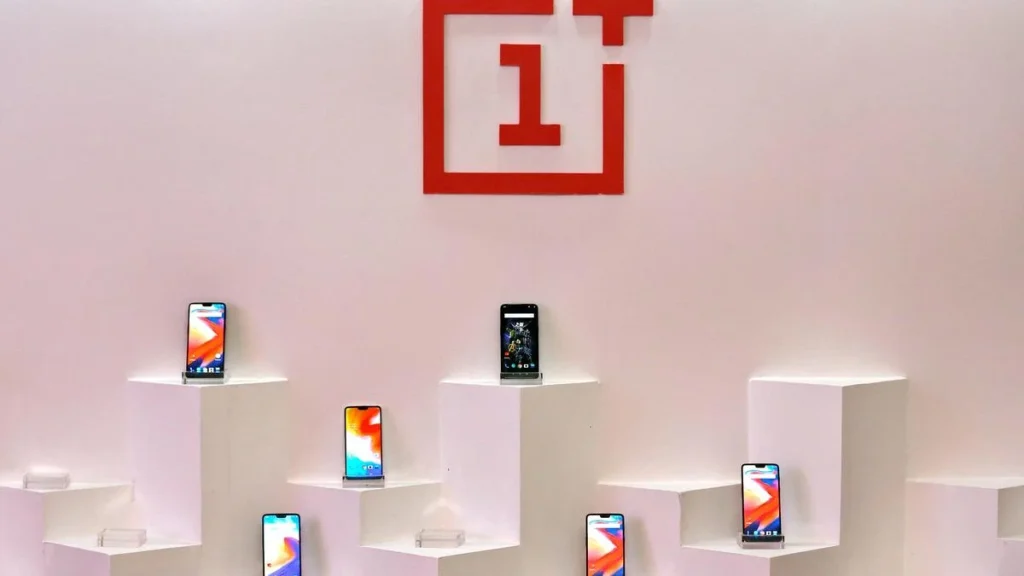
The story so far:OnePlus is reportedly exiting the U.S. and the Europe market, and may also wind up operations in India. The Chinese smartphone maker, which was earlier carved out of Oppo along with Realme, may be merged with its parent, per media reports. Going forward, all OnePlus and Realme phones will be shipped with ColorOS, instead of OxygenOS and Realme’s UI.
Latest Update
But both OnePlus and Realme have said they will continue to operate as ‘independent entities’ in India, even though OnePlus had already shut its only retail store in New Delhi, as servicing has already been merged with Oppo.
OnePlus has clarified that the Indian unit “continues to operate its business as usual, with all local operations on track. We urge the media to exercise restraint before amplifying unverified speculation.”
OnePlus had been Gen Z and millenials go-to-smartphone brand in India. It dominated the Android smartphone market during 2017-2021, particularly with its mid-range segment (under-30k). It launched OnePlus 3 and 3T, gaining mass market share in that price point. But the brand was hit indirectly by the Covid-related lockdown as the purchasing power of those accessing the mid-range smartphone market plummeted in India. That’s when Realme, launched by Oppo, gave buyers a chance to explore smartphones within their budget with good specifications. This entry pushed OnePlus into the premium category. To compete, the company ventured into the premium market where Apple, alongside Samsung, dominate in India.
OnePlus introduced Nord series to make a comeback of sorts in the mid-tier market. However, competition had grown fiercer with Oppo and Vivo launching equally competitive phones to challenge Nord devices. Vivo’s sub-brand iQOO also entered the market and ate into OnePlus’s share in India. OnePlus then turned into a silent player. In India, where smartphone brands operate on wafer-thin margin, supply side disruptions made planning and execution harder for brands like OnePlus and Realme. Somehow, it forced Oppo to re-think about their strategy and started pulling strings tight for both of its sub-brands.
Under Carl Pei and Pete Lau, OnePlus outperformed its rivals. But Mr. Carl moved out and started Nothing, which has gained traction globally due to their unique product proposition and design. Mr. Pete did remain with OnePlus, but he also serves as SVP and chief product officer at Oppo. In India, after general manager Vikas Agarwal left the company, OnePlus never had an Indian face to lead the unit.
OnePlus has always been keen about India as the country has a young class of consumers that align with the brand’s identity. But, its loyal customers, which the brand calls its community, have deserted it. And during this time, Mr. Carl’s Nothing has seen a sharp jump in interest.
On the investments and research front, OnePlus has made an outlay of ₹6,000 crore, under Project Starlight, to boost its localisation, research, and servicing in India. In June 2025, it partnered with Optiemus Electronics Limited (OEL) to locally manufacture premium Internet of Things (IoT) devices at the latter’s facility in India. Two months later, in August, it gelled with Bhagwati Products Limited to make premium tablets locally.
Despite news reports, OnePlus claims that it will continue to operate its business as usual, with all local operations on track. Recently, it introduced a new smartphone series, called N series, to sell mid-range smartphones in India. However, on its transition to ColorOS, OnePlus said, “As part of an operational adjustment to our software strategy, OnePlus devices will update from OxygenOS to ColorOS. This software update enables us to streamline software development, accelerate update cycles to our community, improve software quality, and make better use of our shared engineering and R&D capabilities to deliver a smarter, smoother software experience.” During the course of this software update, our commitment to fast, intuitive and user-centric experiences for OnePlus users remains unchanged, added OnePlus.
Details
Given the unprecedented and uncertain scenario in the memory market, the gradual process of unification seems likely for both OnePlus and Realme into Oppo. It may be for a larger interest of Oppo, but people in India will certainly long for OnePlus and OxygenOS.
