
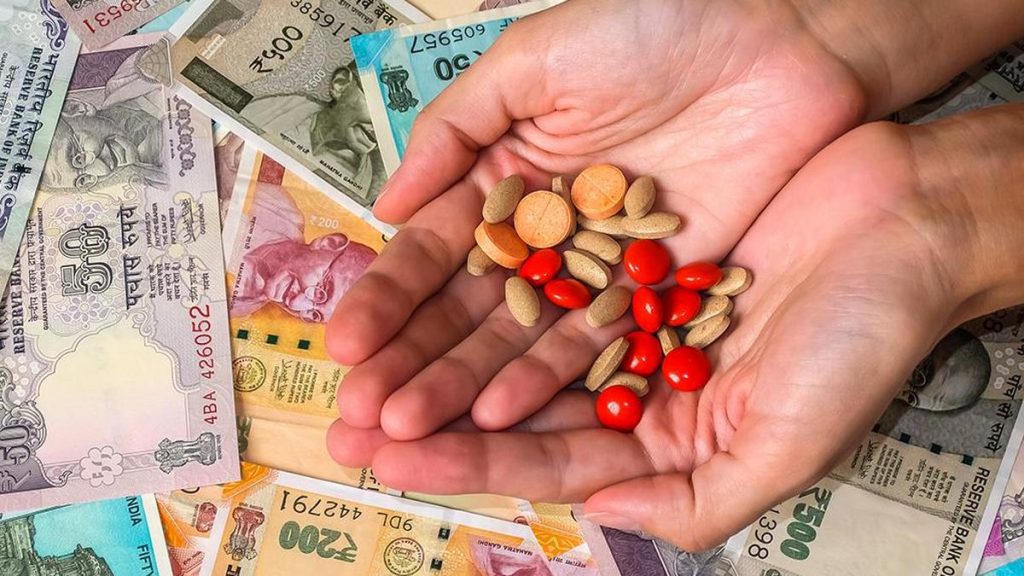
The MRP debate, which has been recently triggered where a hospital purchased a product for ₹11 and billed it for ₹325, is misplaced and lacks the context we need to understand the issue properly.
Hospitals rightly point out that the gap between procurement and billing is not all profit: storing supplies, maintaining sterility and ensuring availability carry costs. But patients are entitled to ask a more basic question. How did ‘maximum’ become the price they routinely pay? This is a serious problem, and price controls can help. But the wider lesson is not that every medicine and device should have the same permitted margin. It is that India needs to decide what each margin is paying for. A standard syringe sold by multiple suppliers does not justify the same return as a therapy developed for a rare disease after years of research and clinical trials. India needs a differential profit and margin strategy. Routine, high-volume products should have modest, transparent distribution and hospital margins, informed by comparable procurement prices. Bulk purchasing should benefit patients, insurers and public programmes. Genuine costs of stocking, safe handling, wastage and round-the-clock availability should be recognised openly, rather than recovered through an inflated price for the item itself. ‘Novel’ must not be a label a company awards itself. A claim for a higher return should be tested against existing treatments: Does the product help patients live longer or better? Does it prevent complications? Is it safer or easier to use? Does it lower the total cost of treatment, even if its purchase price is higher? A product that costs more upfront but prevents repeated admissions may be better value than the cheapest item on the shelf. The government should establish an independent Healthcare Pricing and Value Panel with clinicians, scientists, health economists, patient representatives and pricing regulators. It should assess products against published criteria: clinical benefit, research risk, development investment, disease burden, total health-system cost and access for those least able to pay. Its members should disclose conflicts of interest, explain decisions and provide an appeal process. The panel must also separate manufacturer profits from trade and hospital margins. Otherwise, a policy intended to reward research could simply enlarge the amount captured downstream. Regulators need visibility into invoice prices, rebates and patient charges. Patients need itemised bills showing the product charge and any separate handling fee. Small and rural pharmacies, meanwhile, need viable returns to keep essential products available. A pricing policy that closes the last-mile supplier has failed its patients.
Because it has a new brand name and a large marketing budget, nor should a familiar medicine acquire an innovation premium simply. In 2019, the National Pharmaceutical Pricing Authority applied trade-margin rationalisation to 42 non-scheduled cancer medicines. The government estimated that this could save patients 200 crore annually.
