
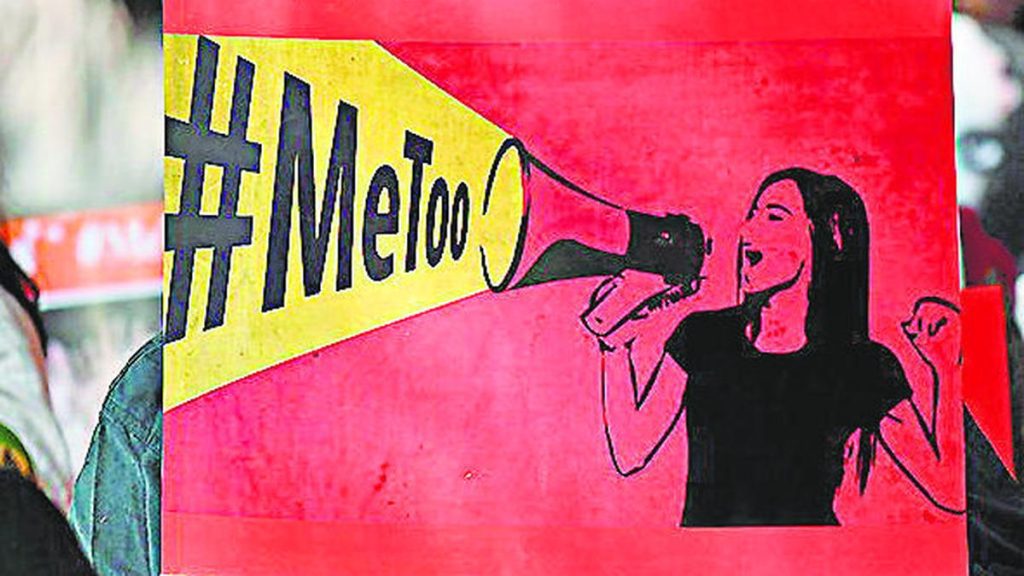
But instead of a failure of individual men to support women, the gap reflected a difficulty in thinking about gender-based violence as something produced by individual acts as well as by social relationships and assumptions about masculinity. During the #MeToo movement in India, around 2018, there were few articles in the press written by Indian men that engaged seriously with what women were saying about sexual violence and with the social conditions that allow it to persist.
Men have remarkably little practice talking about sexual violence as a male problem. Instead, there is copious male discourse about false accusations, due process, the presumption of innocence, men being afraid to interact with women, and so on. Laws also reflect the society that makes them and criminal cases cannot encompass conduct the law already does not criminalise. However, none of this means other questions are illegitimate, or even less important. In particular, men still need to ask what it is about the specific social organisation of relations between men and women that produces the situations the law eventually confronts.
In 2022, Andrea Waling, honorary adjunct at the Australian Research Centre in Sex, Health and Society, Melbourne, reported in a paper in the Journal of Men’s Studies “five key framings” in #MeToo coverage based on 163 media reports: “men are victims of masculinity requiring intervention, men are positioned as inherently ‘good’ or ‘bad’, boys and men are lost and need to be found, men are performative in their ‘awakenings’, and men’s take up of protector or allyship roles may in fact be attempts to be false heroes”.
