
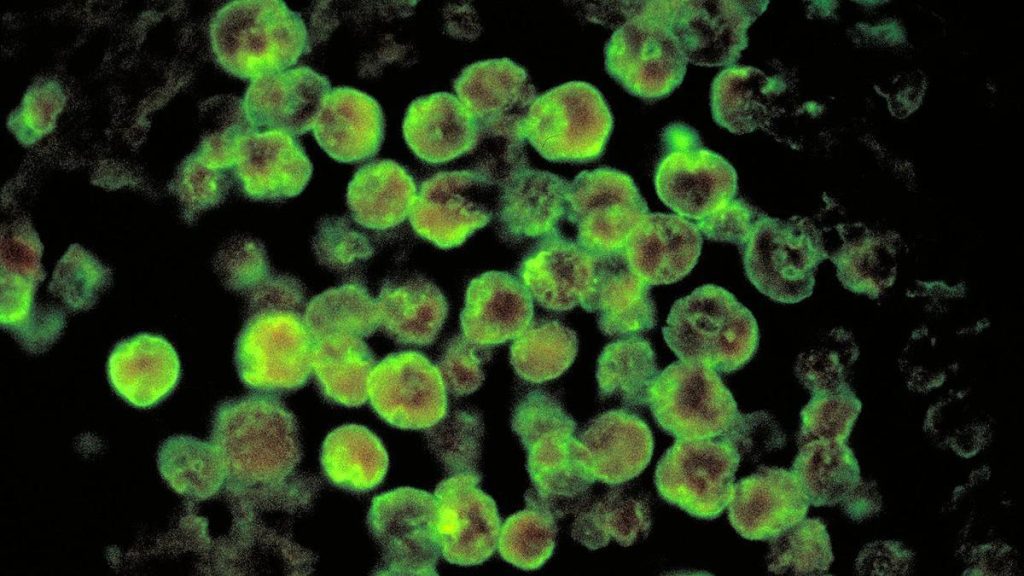
The first joint field-level study by the Keralam Health Department and experts from the Indian Council of Medical Research’s National Institute of Epidemiology in Chennai to describe the epidemiology of amoebic meningoencephalitis (AME) cases reported in Kerala in 2025, has identified exposure to natural water bodies and the use of non-chlorinated water for bathing and other domestic purposes as significant risk factors, providing the first epidemiological evidence from the State on potentially modifiable exposures linked to amoebic meningoencephalitis.
Aravind noted. PAF is an epidemiological measure that estimates the proportion of disease cases in a population that would not occur if a specific risk factor were removed. “The estimated population attributable fraction (PAF) was 34.2%. This means that 34.2% of the cases of AME caused by Acanthamoeba in the population would not occur if non-chlorinated well water, as a specific risk factor, was removed,” Dr. The study, ‘Epidemiology of and Risk Factors for Amoebic Meningoencephalitis, Kerala 2025 ’, published in the latest issue of Emerging Infectious Diseases , the journal of the U.S. Centers for Disease Control and Prevention, analysed 159 AME cases reported in Kerala between January 1 and November 11, 2025. Of these, 76 were confirmed by real-time PCR and 83 by microscopic examination of cerebrospinal fluid. Among the 159 case-patients, 41 died, giving a case fatality rate of 25.8%. Seventeen of the 67 patients with PCR-confirmed Acanthamoeba infection died (25.4%), while four of the nine N. fowleri patients died (44.4%). The researchers noted that between 2016 and 2024, Kerala had reported only 45 AME cases and 15 deaths. Increased clinical awareness, wider availability of molecular diagnostics, and improved surveillance could have contributed to the sharp increase in laboratory-confirmed AME cases in 2025.
Exposure to natural water bodies — swimming or diving in ponds and canals during the preceding three months, especially among persons with a history of maxillofacial injury or nasal surgery — was associated with 4.7 times higher odds of disease.
What next
in the Kerala study, most PCR-confirmed Acanthamoeba AME cases did not have documented immunocompromising conditions, according to records Although Acanthamoeba AME has traditionally been associated with immunocompromised individuals. This case-control study is the highest level of scientific evidence that water quality is going to be a key public health issue in which the State will have to invest in the immediate future. Water quality surveillance, along with periodic chlorination and maintenance of wells, has to be a year-round activity through local self-governments so that the risk of people contracting AME can be minimised.
