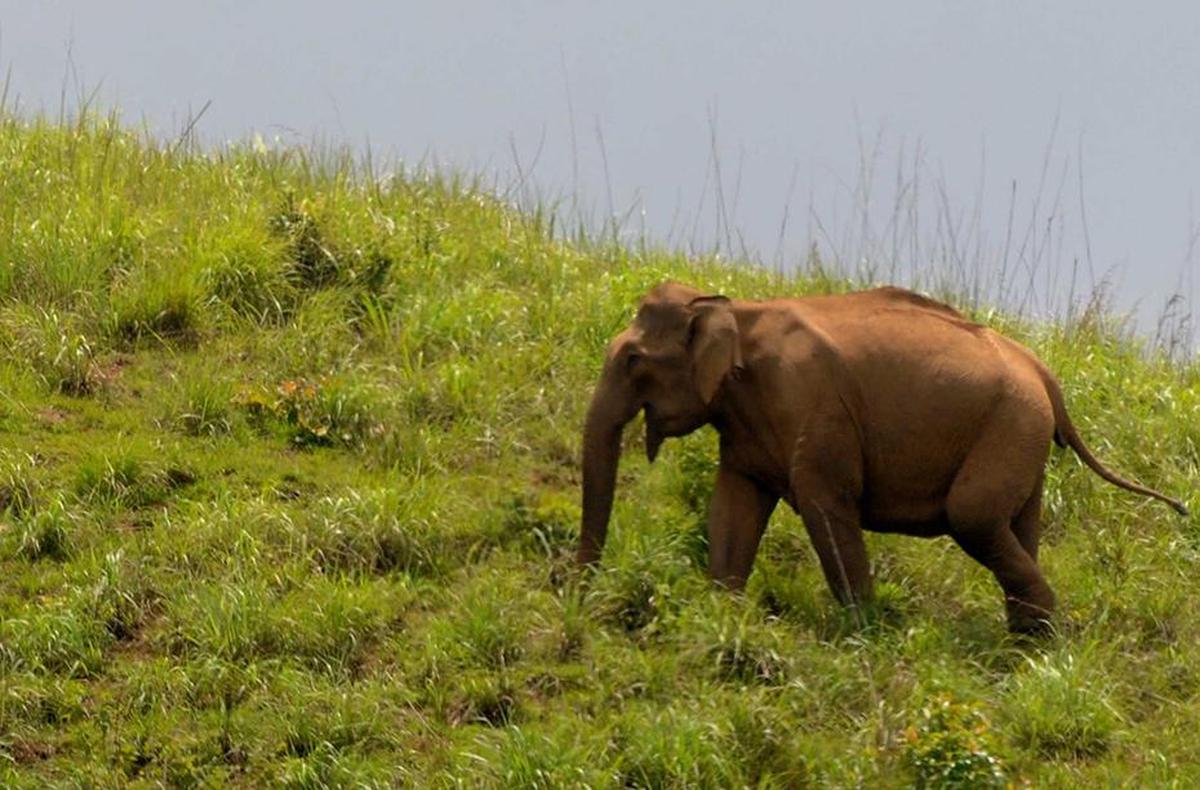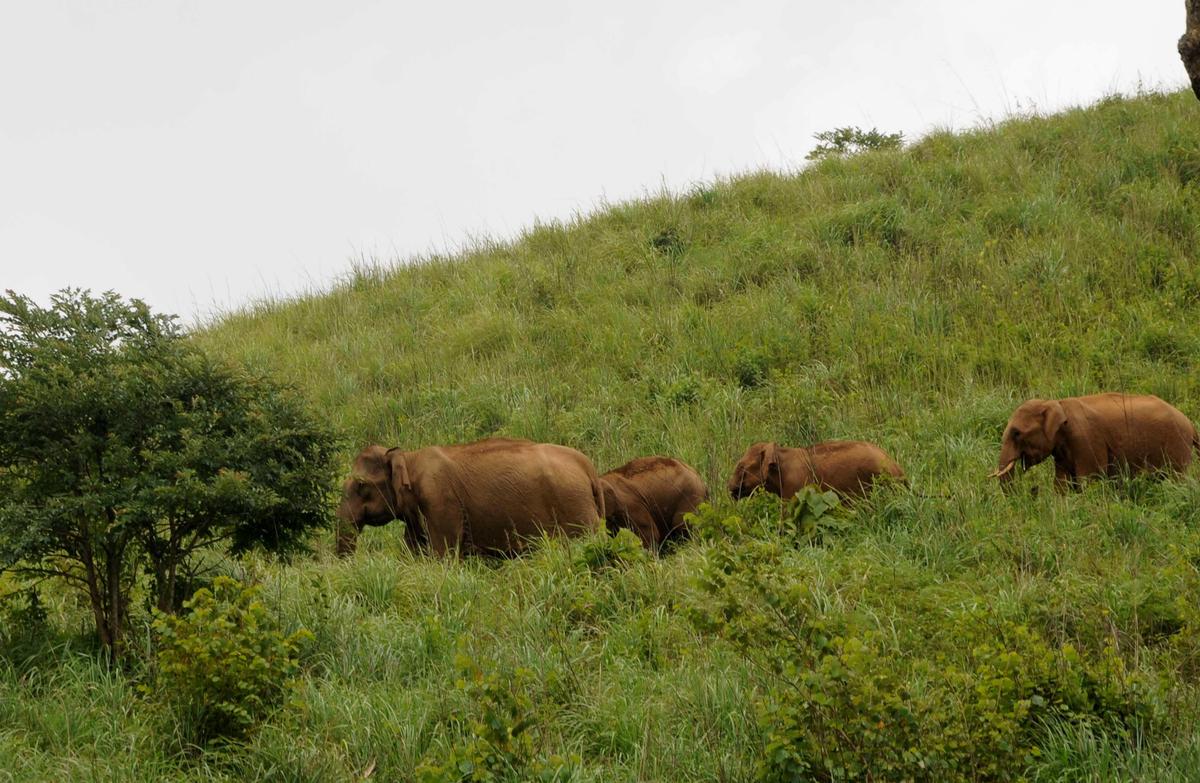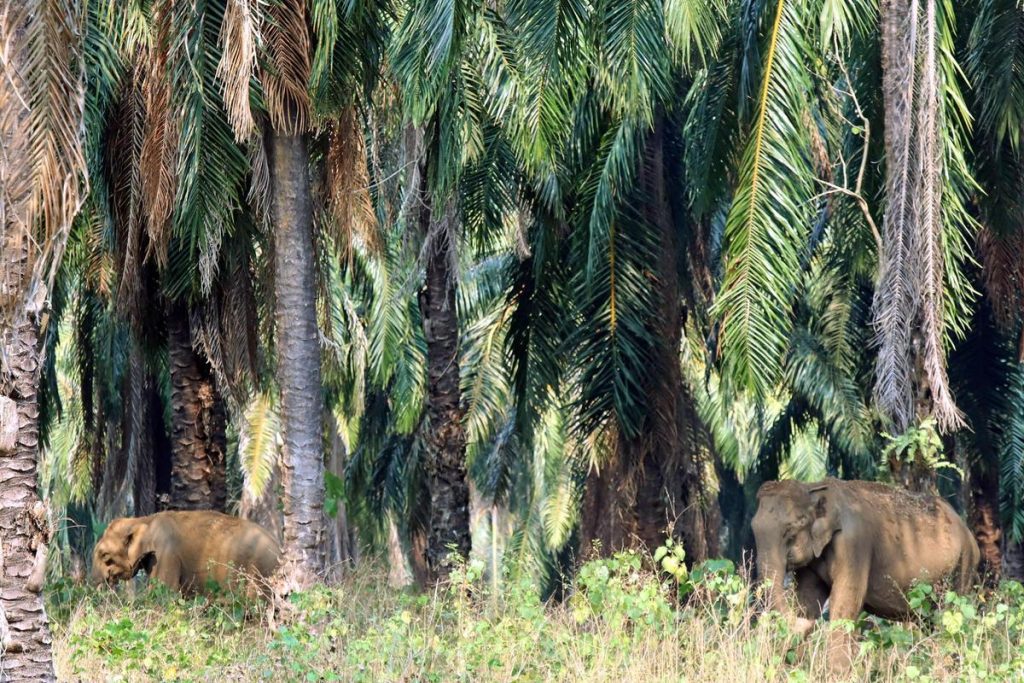
A few months ago, Kumar, who lives on my farm in Kodaikanal, shared a piece of news that I have held close to my heart, letting it warm me every time I needed it. A mother and her baby elephant walked onto the farm in the middle of the day, where she fed her infant till the child fell asleep.
Luckily, there are still intellectuals who ruminate on this concept of ‘owning’ a part of this planet, especially in today’s post-capitalist, degraded landscape. A beautiful little story that casually assumes the many years it took to gain the trust of a mother elephant to allow her child to fall asleep in human-occupied land. She was teaching her baby that the farm was a safe space. I have always been a firm believer in the Natural Commons, that every human being has the nature-given right to air, water, forests and wildlife simply by being born on this planet. In reality, most of these have now been packaged and sold to the rich in their most pristine form. But land and a space to live must surely be a part of these commons as well. Permaculture also integrates community-based land stewardship with ecological design to create and maintain natural commons, where land is held in trust for shared ecological and community benefit rather than private ownership. So, how does one think about the land they own? Putting a fence on a man-made boundary doesn’t separate it from the rest of the planet. I suppose it is a lot like having a child. You are the protector, guardian, and steward of the child — but you could never claim to own them. It feels like that is the part that we have forgotten, that the land can never be really yours.
Because of human development, it felt like a milestone, in a fast-changing world, where elephants are being forced to change their ancient migratory routes.
In his groundbreaking book Sacred Economics , American activist Charles Eisenstein circumscribes the private right to “use and abuse” private property by proposing a penalty on socially and environmentally harmful activities. It separates, as much as possible, the “enjoyment” (i.e. the fruits) of ownership from the fruits of the labour and creativity added to the thing owned.