
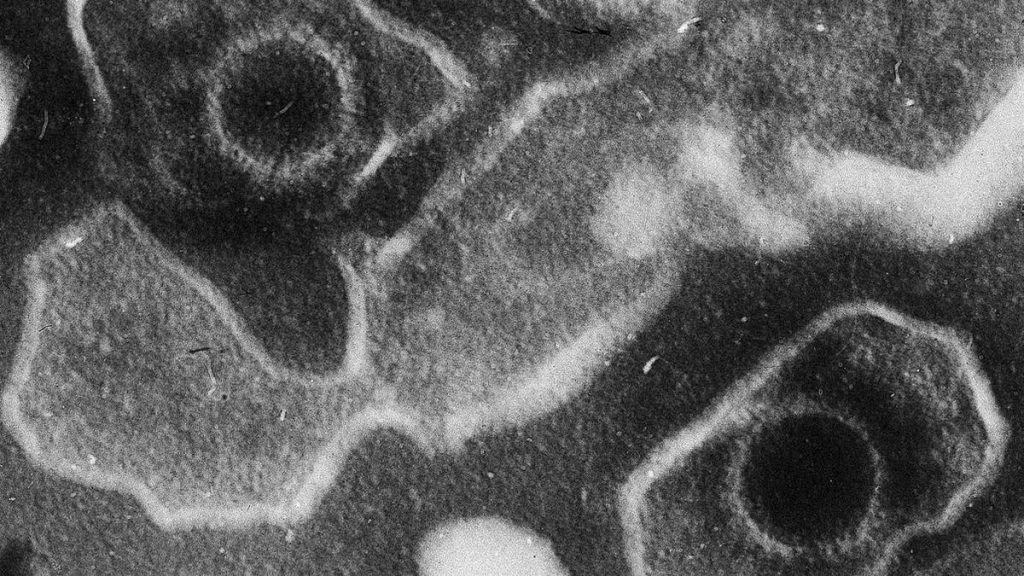
Epstein-Barr virus (EBV) is among the most widespread of human viruses. Most people acquire the infection during childhood without developing symptoms. In some, particularly those infected during adolescence or adulthood, it can cause infectious mononucleosis. The virus then remains in the body for life.
More than 90% of adults are estimated to have been infected during their lifetime.
The analysis incorporates recent evidence linking EBV with gastric cancer and places EBV among the infectious agents responsible for a substantial cancer burden worldwide. After the initial infection, EBV remains in the body in a dormant state. In most healthy people, the immune system keeps the infection under control. It has established causal links with several cancers, including nasopharyngeal carcinoma, Burkitt lymphoma and Hodgkin lymphoma. The latest IARC analysis also incorporates evidence linking EBV with gastric cancer.
A new analysis by the International Agency for Research on Cancer (IARC), the cancer agency of the World Health Organization (WHO), estimates that about 2.3 million new cancer cases worldwide in 2024 were attributable to infections. EBV is classified by IARC as a Group 1 carcinogen.
Most people infected with EBV do not develop cancer. People with weakened immune systems are at greater risk of serious EBV-related disease. This includes some people who have undergone organ or stem-cell transplantation and those receiving treatments that suppress the immune system. When EBV is associated with cancer, treatment depends on the type and stage of cancer and may include chemotherapy, radiotherapy, immunotherapy, targeted treatment or a combination of these. The development of an EBV vaccine is an important area of research. The latest IARC analysis adds to the evidence on the virus’s contribution to cancer and highlights the need for continued research into prevention.
The infection is therefore not, by itself, an indication that a person will develop cancer.
