
On the Nobel Prize, healthcare inequities, mental health, new research, and more
This week began with a bang: the Nobel Prizes are being announced, and first in the line-up was the prize for medicine or physiology. Nobel week is always exciting: guessing games are played as to who will win the prize; there’s surprise (or not) once the winner is announced and the work behind the prize is delved into and decoded. Additionally this week, we’ve looked at access to, and affordability of healthcare in India, mental health and research developments. This week was no different. What is optogenetics you ask? Ramya Kannan explains that it is a method that makes it possible to show how nerve cells shape memories, feelings and behaviour in the brain. Sounds exciting, doesn’t it, especially as it concerns an organ that has long remained mysterious. Do also watch our video on the prize. For all of the progress the country has made in medicine, for all of the breakthroughs, scientific advances and use of AI, it’s disheartening — but also important — to remember that access to quality healthcare is still not something everyone can take for granted. A video that circulated widely on social media a few days ago showed a Dalit woman who was allegedly denied admission to a government hospital in Bhadohi district, Uttar Pradesh, while in labour and was forced to deliver outside the hospital in public. The victim’s family alleged untouchability, reports Mayank Kumar . Around the same time, an ill child died in his mother’s arms in Meghalaya’s West Khasi Hills district during his parents’ three-hour trek to reach the nearest hospital. Even when care is available though, the question of affordability remains — a question we delved into last week, amid the Supreme Court’s scrutiny of drug prices that Aaratrika Bhaumik is tracking. This week, Bindu Shajan Perappadan reports that the Jan Swasthya Abhiyan and the Working Group on Access to Medicines and Treatment have called for regulation of charges levied by private hospitals and ceilings on trade margins for medicines, medical devices and medical consumables. C. Such studies could help determine whether particular temperamental characteristics precede the onset of psychiatric illness or are partly consequences of illness and its treatment. The Nobel Prize has made it to all the headlines this week, but there’s been some other interesting research too! Dr. C. Aravinda and Dr. Veera Rajagopal look at an experiment by Stanford University researchers called ‘xenocortication’ that lets human brain tissue develop inside a living mouse, offering a novel way to study the developing human brain and, potentially, how disease develops.
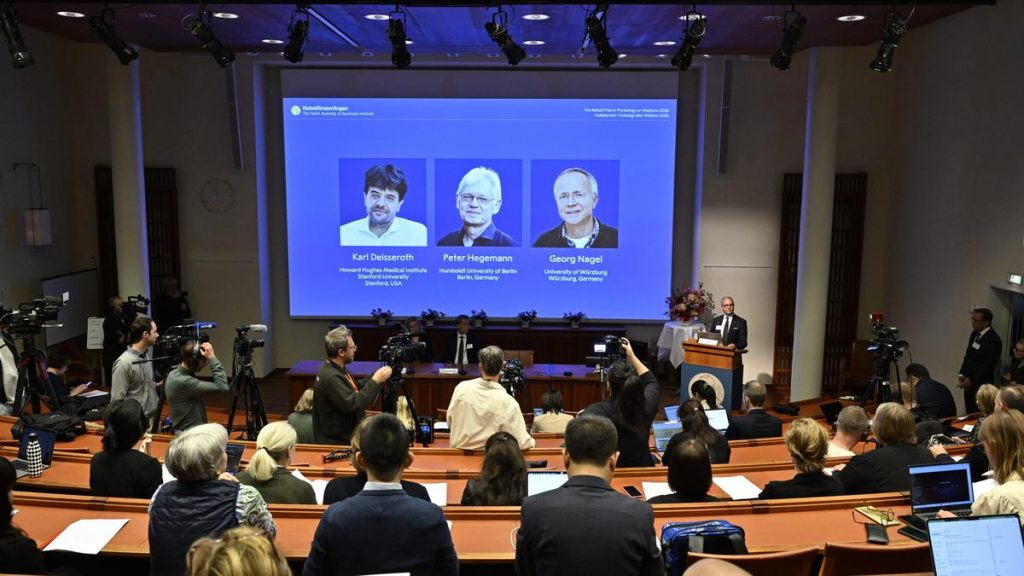
Because of the poor road conditions, no driver wanted to come to the village. The 2026 Nobel Prize in Physiology or Medicine, announced on Monday (October 5, 2026) went jointly to Karl Deisseroth, Peter Hegeman and Georg Nagel “for their discoveries concerning light-gated ion channels and optogenetics. What was also interesting was that it upended what was touted to be a favourite for this year’s prize: the GLP-1 class of drugs. The village headman said the boy’s parents tried to arrange for a vehicle after his health deteriorated at night on October 1. Maya, meanwhile asks , if the Keralam government’s promise to make private health care more affordable is possible, given that it is still in a legal battle with the private sector over the Kerala Clinical Establishments Act, 2018. Ahead of World Mental Health Day, which falls on October 10, Afshan Yasmeen reported on a study from NIMHANS that revealed temperamental traits and adverse experiences during childhood may together offer clues to vulnerability to major psychiatric disorders.
