
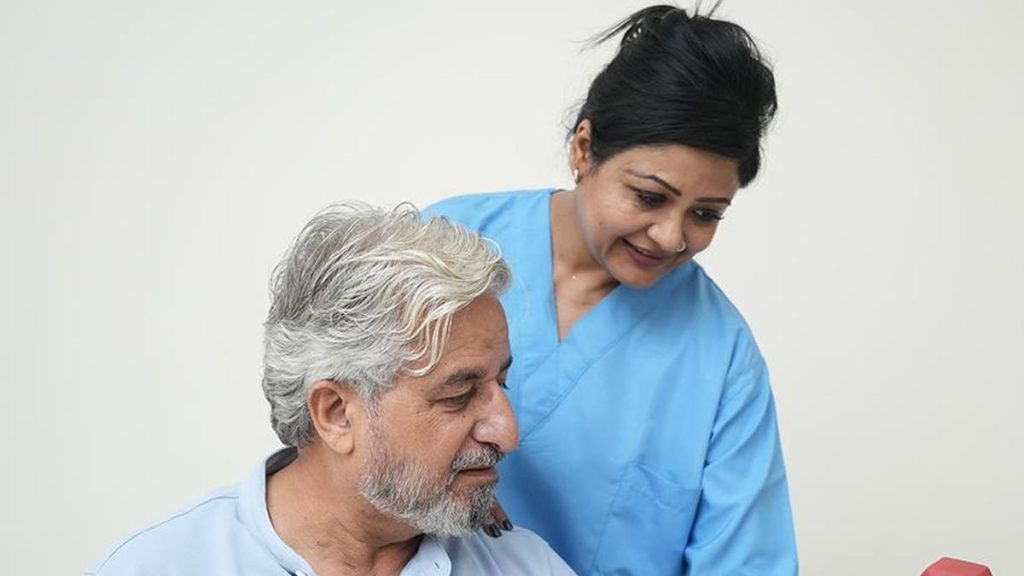
Cardiac rehabilitation, a multidisciplinary approach to recovery and risk-reduction, is an important addition to medications, interventional and surgical procedures in heart patients. A cardiac rehab programme usually includes medical assessments, supervised exercise, nutritional guidance, psychosocial counselling and health education tailored to the clinical, cultural and behavioural needs of the patient.
Cardiac rehab has been incorporated into the routine care of patients in developed countries, while it is just now gaining inroads in low- and middle- income countries like India. The primary benefits of attending a cardiac rehab programme are faster recovery from cardiac procedures, reduced risk of future complications, improvement in blood sugar, blood pressure and lipid levels, increased cardiorespiratory fitness, adherence to a heart healthy diet, better weight management, abstinence from tobacco and excessive alcohol consumption, better emotional health and health-related quality of life, and decreased mortality. There is now a growing prevalence of heart diseases in the young Indian population, both in urban and rural parts of the country. Among those who survive, the effects can linger for years, affecting productivity and quality of life. This has brought to the fore, the urgent need for more widespread and accessible cardiac rehab facilities. There is a wide gap in the number of heart patients requiring cardiac rehab and the actual numbers being referred for these services. Even among those who access and enrol in cardiac rehab programmes, not everyone completes the programme. The main barriers to completing the cardiac rehab program after enrolling include patients’ work commitments, family responsibilities, financial constraints, and medical complications. Programmes that can offer personalised solutions including flexible scheduling, return-to-work counselling, sliding scale payment options and close collaborations with the referring cardiologist to identify and treat complications early, could help decrease drop-outs. Programme facilitators must also be able to proactively identify cues for potential non-adherence and work with patients and their families to circumvent challenges and complete the programme. Young people are increasingly contracting heart disease. Getting them back to be productive, healthy and happy members of society is vital. cardiac rehabilitation must become an important part of treatment, not just an add-on that is optional While prevention remains the most important goal. And to do that, we have to proactively address the potential barriers to access, adherence and programme completion.
Estimates indicate that nearly 27% of all deaths in India are due to heart disease, while 62% of all deaths due to cardiovascular disease in the country are premature, between the ages of 40 and 69 years. 2021, heart disease is the most common cause of death in India, accounting for 28.6 lakh deaths, according to the Global Burden of Disease.
