
(In the weekly Health Matters newsletter, Ramya Kannan writes about getting to good health, and staying there. You can subscribe here to get the newsletter in your inbox.)
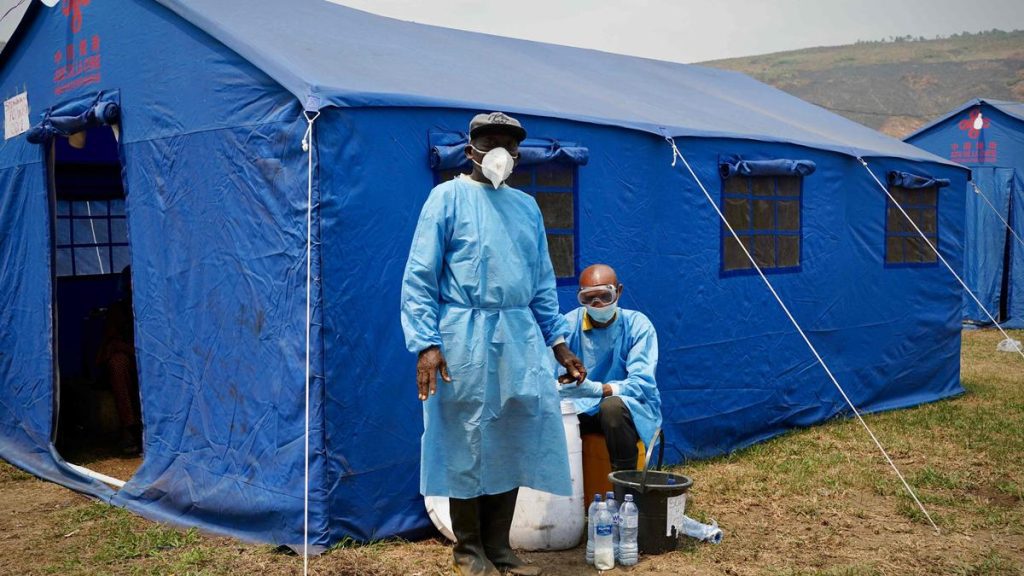
This past week, the top health story, without any doubt, is the huge crisis that is brewing out of proportions in Africa – the Ebola outbreak in the Democratic Republic of Congo. The outbreak has clearly outpaced response efforts. The other big story in India was also about an infectious disease – H1N1. As the cases continue to surge , experts assure that there is no cause for alarm yet. However they do advise that a large number of children were being affected, and that children with asthma and other chronic conditions might require special intervention. The H1N1 virus, commonly known as swine flu, is a subtype of influenza A, and can cause respiratory illness, with symptoms including fever or chills, cough, sore throat, a runny or blocked nose, headache, tiredness, and muscle or body aches. In some cases, patients may also experience vomiting and diarrhoea. Cases have been rising in Delhi, Mumbai, Chennai, Bengaluru and Kerala, and while there are a number of respiratory-like illnesses also about during this season, doctors have warned that early testing is key. Bindu Shajan Perappadan reports that union Health Minister J.P. Nadda reviewed the H1N1 situation, healthcare preparedness in Delhi . Athira Elssa Johnson writes about the Lazy eye in children , and about squints . In the former, she focuses on how many parents may miss lazy eye among their children. Often called lazy eye, amblyopia may have no obvious signs and can remain undetected during early childhood. Squint, medically known as strabismus, is a condition in which the two eyes do not align properly. It can affect children and adults and, when it develops during childhood, can interfere with the normal development of vision
Because visual development is time-sensitive, screening, timely treatment and sustained follow-up are important. Squints are another condition that impact the development of vision, and therefore need to be addressed on time. It was first announced as an outbreak on May 15, this year.As per latest data, it has reached over 5,000 cases, making this the one of the worst Ebola outbreaks in history . Meanwhile, more than 16,000 doses of the new Ebola vaccine Ervebo arrived in the DRC.
WHO experts still do not know whether Ervebo protects humans against the Bundibugyo strain, but early data, notably from animal trials, suggest it could offer some protection.The Ervebo vaccine “has already been used several times, and in particular on a very large scale during the 2018-2020 outbreak”, Samuel Roger Kamba, the DRC’s Minister of Health, told the press.
After a cancer diagnosis, women who have not yet started their families, must be given the option for fertility preservation, say doctors. Options such as embryo freezing before cancer treatment is begun may be considered under medical guidance. Other fertility preservations techniques including oocyte and ovarian-tissue cryopreservation may also be explored before treatment begins. When it comes to breastfeeding, doctors say that after surviving cancer it may pose difficulties, but it can be done under the right medical conditions and with guidance from doctors. This is by far the most important gene-based analysis that pertains to us, in India. Rupsy Khurana writes the truth: South Asians are missing from global health databases , and why this matters and what needs to change in this scenario. When scientists try to understand why diseases such as diabetes and cardiovascular disease affect South Asians differently, they often have to rely on genetic data drawn from European populations. But at the heart of this changing landscape lies an old, constant problem – the data used to build these tools lack diversity, she points out. Many TB prescriptions outside national programme do not follow treatment guidelines, study finds
Advances in artificial intelligence and machine learning are allowing scientists to mine vast amounts of genomic and health data to detect disease earlier, predict risk, monitor patients and tailor treatments to individuals.
