
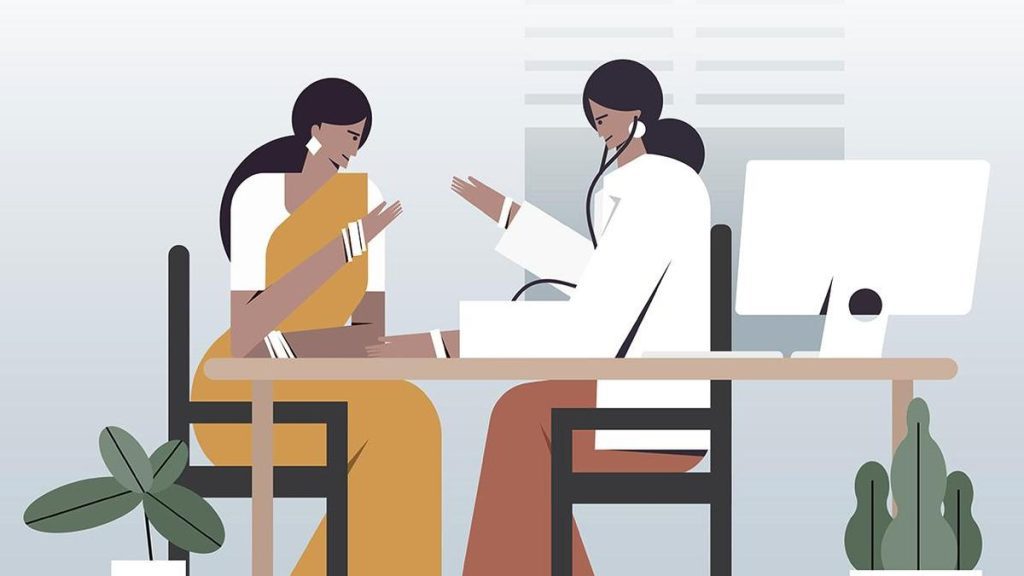
Consultations today, however, , sound remarkably different. There was a time when a patient simply asked, “Doctor, what should I do? Patients enquire if they should get surgery or take medication? Would a second opinion be recommended? What about side effects?
Modern medicine has handed us something extraordinary: choice. But it comes with a psychological paradox. Choosing an option becomes harder when there are more options. This heavy burden of choice now sits on both sides of the desk. The Doctor’s Burden Doctors must navigate a delicate tightrope. Be too directive, and you strip the patient of autonomy. Offer every conceivable option without guidance, and you leave them abandoned in a maze. Add in the ‘second-opinion paradox’, where different clinicians legitimately weigh probabilities differently and doctors must explain not just the disease, but why medicine isn’t simple arithmetic.
Patients understandably crave certainty, but ethically, a doctor cannot promise it. Trust isn’t believing a physician knows the future; it’s knowing they will be honest about what is known, what is uncertain, and how to adapt if things change. Sometimes, the most relieving words a doctor can say are: “Let us go through this together. To build a better healthcare system, we must support patients, but also support the doctors. The emotional labour of medicine is invisible on a prescription, yet physicians regularly carry one patient’s fear straight into the next room while remaining clinically precise. (Dr. Sushma Gopalan is lead consultant – child life services (psychology), Manipal Hospital Yelahanka, [email protected])
