
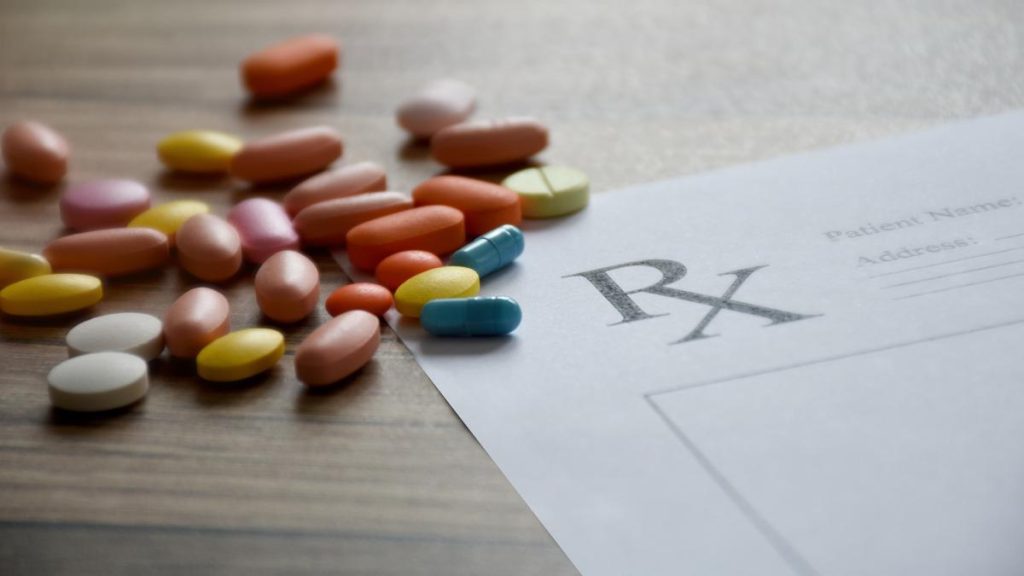
Modern medicine has never been more capable than it is today. Yet, the same system that can do more is increasingly tempted to overtreat and overmedicate.
Tests detect illness earlier, scans reveal invisible abnormalities, medicines prevent and treat diseases, and interventions and procedures can save lives within minutes.
Overtreatment and overmedication are not simply the use of an unnecessary medicine but often a chain: a test detects an incidental abnormality, which leads to another test, a diagnosis and then a prescription that may become permanent. What begins as prevention can end in long-term medication or surgery. Then, in India, overtreatment coexists with undertreatment: unnecessary interventions are offered to some, while many others still lack essential primary care, affordable medicines and timely treatment. This matters particularly in older adults. Health insurance is a proven solution for financial protection from health-related expenses, as the cost is borne by the insurer. However, it can create both ‘ex-ante’ and ‘ex-post’ moral hazards, discouraging preventive care and encouraging hospitals and patients to favour costlier interventions. What is forgotten is that while someone else may bear the financial cost, it is the patient’s body that undergoes the intervention. Paying insurance premiums for years does not mean that one must ‘recover’ the money by undergoing a relatively unnecessary procedure or surgery. India is not alone in facing this problem. Overtreatment first became widely recognised in high-income countries and is now increasingly visible across many middle-income nations. This gave rise to the global Choosing Wisely movement, which encourages people to choose health-care interventions more carefully. The message is that medicine requires stronger mechanisms for self-correction. The solutions are about practising better medicine. Halting and reversing overmedicalisation requires the engagement of all stakeholders, including individuals, communities, professional societies and health policymakers. First, India needs to rebuild stronger and functional primary care and restore the family physician as the first point of contact for most non-emergency health needs. A general physician can decide which problems require specialist expertise, reconcile multiple prescriptions and recognise when treatment can safely be reduced. Initiation of care by a general physician, followed by continuity through the referral pathway, protects patients against overmedication and excess surgeries.
A systematic review and meta-analysis of Indian studies, published in Frontiers in Pharmacology in 2021, reported polypharmacy in about 49% of older adults. Another study, published in Scientific Reports in 2025, found that roughly one-third of older adults were taking five or more prescribed medicines (polypharmacy), with potentially inappropriate medicines identified in 28.8% of cases. It is against this backdrop, between 2012 and 2023, that nearly 80 specialty societies worldwide published close to 700 recommendations identifying hundreds of tests and treatments that clinicians and patients should question.
Fourth, before starting any test or treatment, patients should note that these four questions matter: Why do I need this? What happens if I wait? What are the possible benefits and risks? What are the alternatives? These questions can substantially improve clinical conversations and outcomes.
