
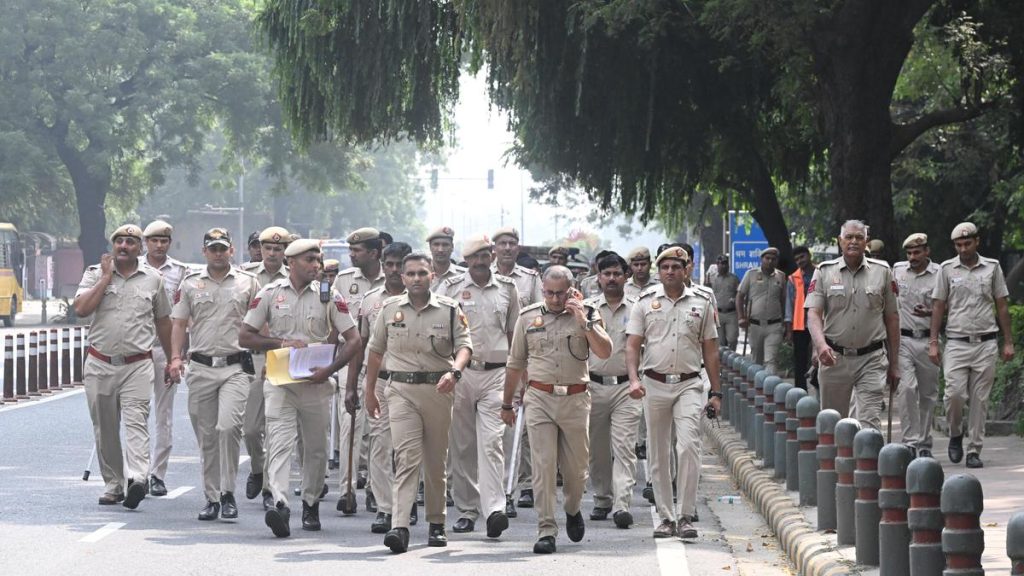
Digital payments all but ground to a halt — except in restaurants, shops and facilities equipped with WiFi — while protesters scrambled to call friends and family in other parts of the city, unable to send pictures or video. The mobile internet shutdown, from 10 p.m. on Friday (October 9, 2026) through Saturday evening, compounded the disruption caused by the massive crackdown on attempts to protest in the capital.
“The government has placed no evidence before the public that a shutdown makes a protest safer,” the IFF said. “The available research is to the contrary, as a 2019 study of shutdowns and protest in India by Jan Rydzak, then at Stanford’s Global Digital Policy Incubator, found shutdowns ‘much more strongly associated with increases in violent collective action than with non-violent mobilization’.”
The shutdown crippled gig workers’ operations in the capital, as many needed mobile data to take orders or even to resume work after finishing a delivery or a ride in the affected area. Google Maps was affected too: it had no up-to-date information on traffic restrictions or even traffic flow, as its real-time updates rely on crowdsourced data from users.
