
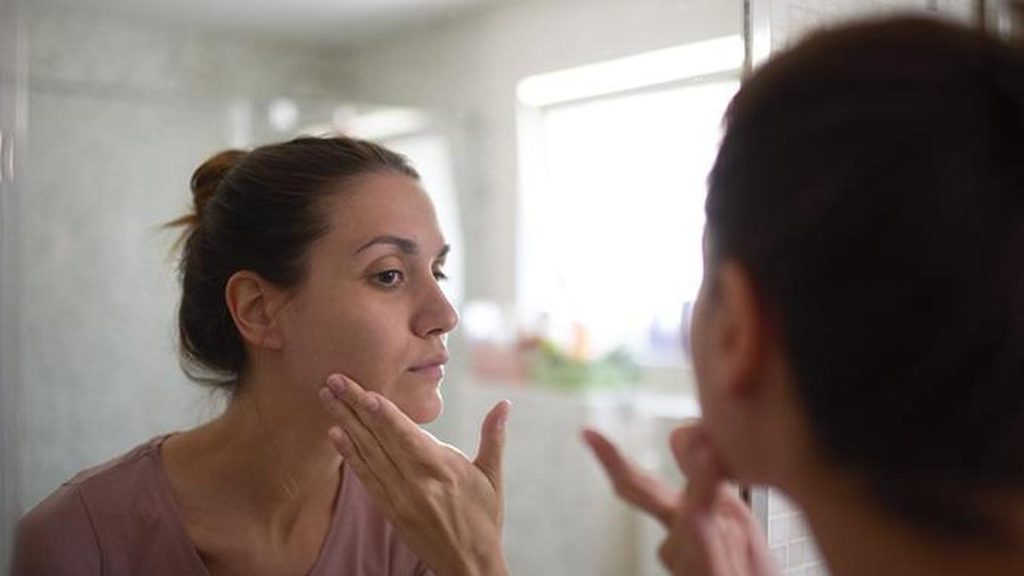
Our skin, hair and nails require adequate protein, energy, vitamins and minerals for growth, repair and normal functioning. When deficiencies are significant or prolonged, some may become visible. But many of these signs also overlap with hormonal disorders, chronic illnesses, dermatological conditions, stress, poor sleep and other factors. So when and how do you know if there is a nutritional deficit?
Zinc deficiency can affect skin integrity and hair growth, while inadequate protein intake can affect hair structure and growth and, in severe cases, cause marked changes in the skin and hair. Vitamin C deficiency can result in bleeding gums and poor wound healing. Dry or scaly skin may be associated with inadequate vitamin A, essential fatty acids or zinc. Similar features can occur with inadequate sleep, stress, dehydration, allergies, ageing, thyroid disorders or other nutritional deficiencies. Pallor and some symptoms associated with iron deficiency may begin to improve within weeks of appropriate treatment, while mouth ulcers and glossitis can also improve after the underlying deficiency is corrected. Nail changes can similarly take months to grow out. The appropriate approach is to investigate persistent changes, confirm a deficiency where indicated and then correct it with dietary measures or supplementation under clinical guidance.
Because hair grows slowly; improvement may take several months, hair shedding and thinning generally take longer to recover.
Vinitha Krishnan, chief clinical dietitian, nutrition and dietetics, SIMS Hospital, Chennai, said any changes associated with depleted iron stores are generally subtle and non-specific. Reshma Aleem, senior clinical dietician, Rela Hospital, Chennai, said the extent and speed of recovery depend on whether the deficiency is mild, moderate or severe and on how effectively it is corrected.
