
Earlier this year, Polycystic Ovary Syndrome (PCOS) which affects one in eight women worldwide, was renamed Polyendocrine Metabolic Ovarian Syndrome (PMOS) by the Endocrine Society.
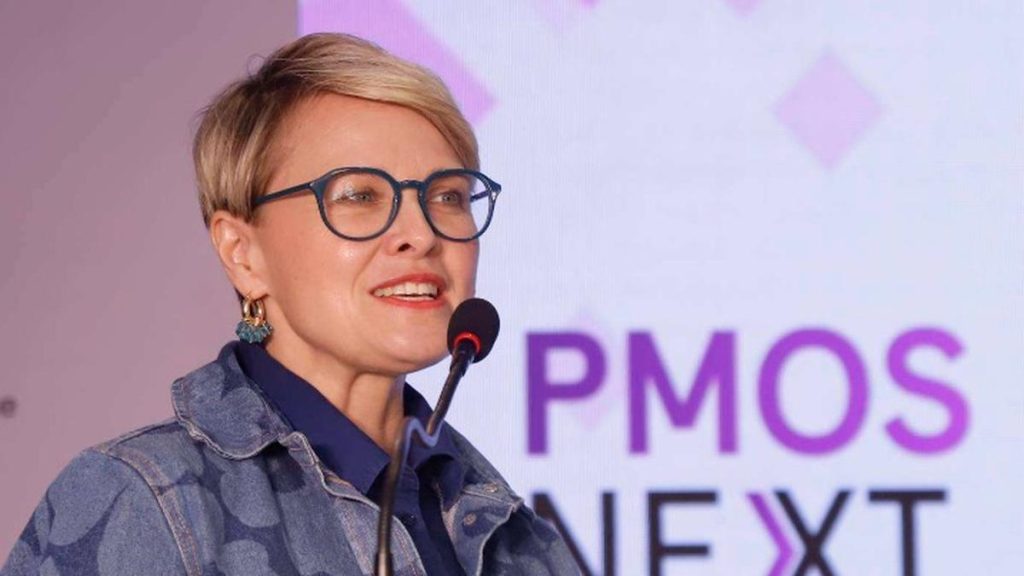
A global consensus article published in the Lancet in May, led by Professor Helena J. Teede, argued that the name reduced a long-term hormonal and endocrine disorder to focus on ovaries and cysts, leading to inadequate treatment, or fewer people getting diagnosed with the condition. Professor Terhi Piltonen, president of International Androgen Excess and Polycystic Ovary Syndrome Society (AE-PCOS Society), and also one of the co-leads of the Lancet publication, from Oulu University Hospital, Finland, in conversation with The Hindu speaks about the name change, and its implications on patients, treatment plans, and research. How would the name change impact existing treatment protocol? We know how to manage it, but the name change emphasises how we need to listen to the patients and take a more holistic view and invite other disciplines to play their part. Does the name change impact the research that is being conducted? But of course, I am hoping that we’ll see more diverse studies, for example my colleague who is an endocrinologist or in internal medicine, or a dermatologist, might take an interest in researching certain parts of the condition. So far, it was only OB-GYNs who were diagnosing it. But I think that others might acknowledge their work in seeing PMOS. Is it also monetarily challenging to conduct research in an area that impacts women, and not men?
Yes, it is. This is only a fraction of the money that goes into erectile problems or diabetes. , In terms of funding, I think it is not proportional to the prevalence. I’m hoping that there will be more grants and that the industry would get involved as they now know that it is a condition that needs a lot of different approaches.
