
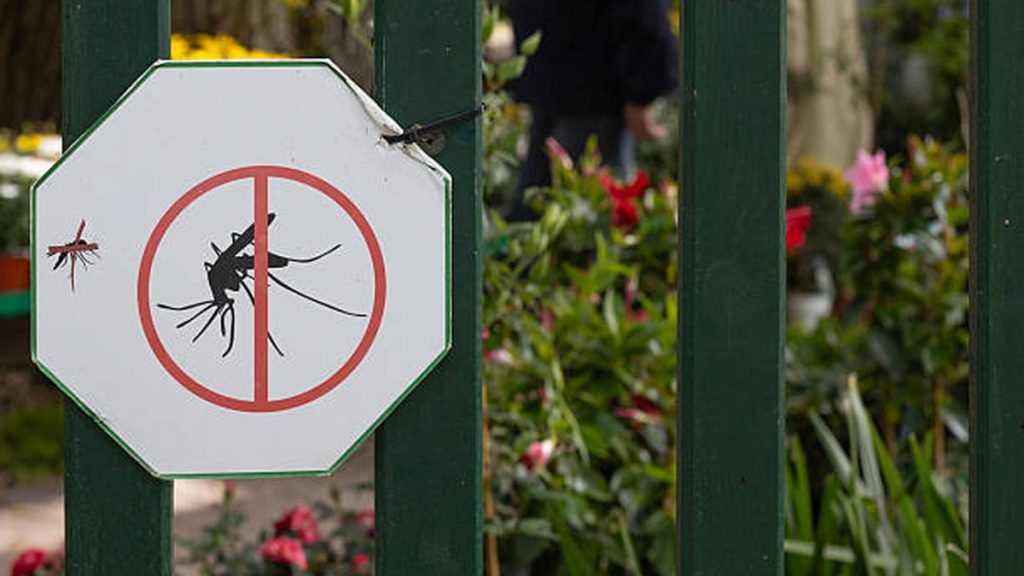
From its roots in Africa, the dengue-spreading mosquito , Aedes aegypti, expanded its range in the 15th century, across the world, aided by the transatlantic slave trade between Africa, America and Europe. And by the late 19th century the insect, with its great environmental adaptability, reached India: in 2024 the country recorded around 2,50,000 dengue cases.
The authors, from ICMR-National Institute for Research in Environmental Health in Bhopal, also offered surveillance and control strategies across India’s diverse eco-climatic landscape. Aedes aegypti populations in diverse ecological settings show much variation in morphology, physiology, behaviour, and genetics. Specimens were collected from ecologically diverse regions: Jodhpur, Kota, Sri Ganganagar, Srinagar, Kullu, Hoshiarpur, Lucknow, Nagpur, Raipur, Kolkata, Visakhapatnam, Guwahati, Shillong, Itanagar, and Thiruvananthapuram. The scientists found that genetic differences were significant in certain population pairs collected from Itanagar, Kota and Thiruvananthapuram.
Now for the first time, scientists scoured the country, sampled 126 mosquitoes from 13 regions, to better understand the evolution of this mosquito’s genetic diversity.
An understanding of this heterogeneity is vital, said a paper published in Acta Tropica , as genetic diversity also influences the ability of mosquitoes in spreading disease or resisting insecticides.
Today, Aedes aegypti, the main vector of chikungunya, yellow fever and Zika too, has spread to almost every environment in India: deserts, tropical forests, urban jungles, and recently, in certain rural areas where they were never found before.
