
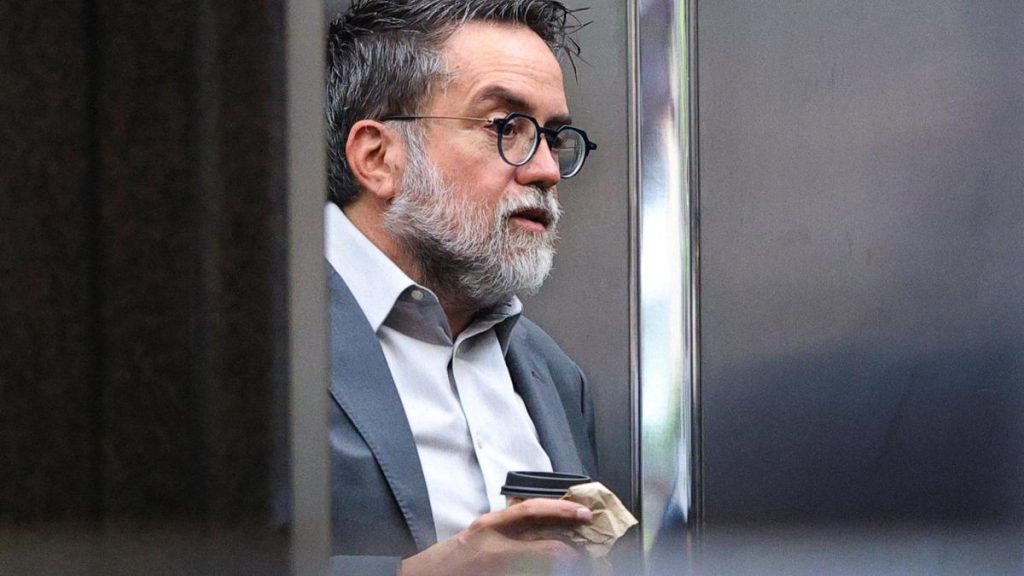
A whistleblower whose testimony helped build a child safety case against Meta Platforms said on Wednesday that the firm’s settlement with a coalition of U.S. states does not meaningfully address harms from social media that he described in court.
Former Meta safety engineer Arturo Bejar told a judge and eight jurors last week that the firm had knowingly underreported the frequency with which teens were harmed on its platforms, pushed them toward content that made them feel bad about themselves and failed to correctly adjudicate reports of child predation. On Wednesday, the states announced they and Meta had settled the case, with California Attorney General Rob Bonta declaring that the settlement “will make social media less dangerous for our kids.”
ALSO WATCH Why is Instagram’s design under fire in massive child safety case | Explained Meta ultimately allowed users to hide like counts as an opt-in feature. Broadly, Meta’s researchers have internally flagged algorithms’ tendency to recommend high doses of fitness and beauty content to teens with existing self-esteem issues and the intentional design of features that keep young users scrolling longer than they would independently choose. Dr.
Jane Conron, a clinical psychologist at Northwestern University’s Feinberg School of Medicine, said the settlement only requires Meta to offer a non-algorithmically curated social media feed to teens on an opt-in basis, a feature she predicted would go largely unused.

Bejar, for example, oversaw work at Meta that concluded that users had bad experiences on Meta’s platforms at rates greater than the company’s official prevalence estimates. Such allegations were central to the states’ case against Meta, but they are addressed only glancingly in the settlement.
