
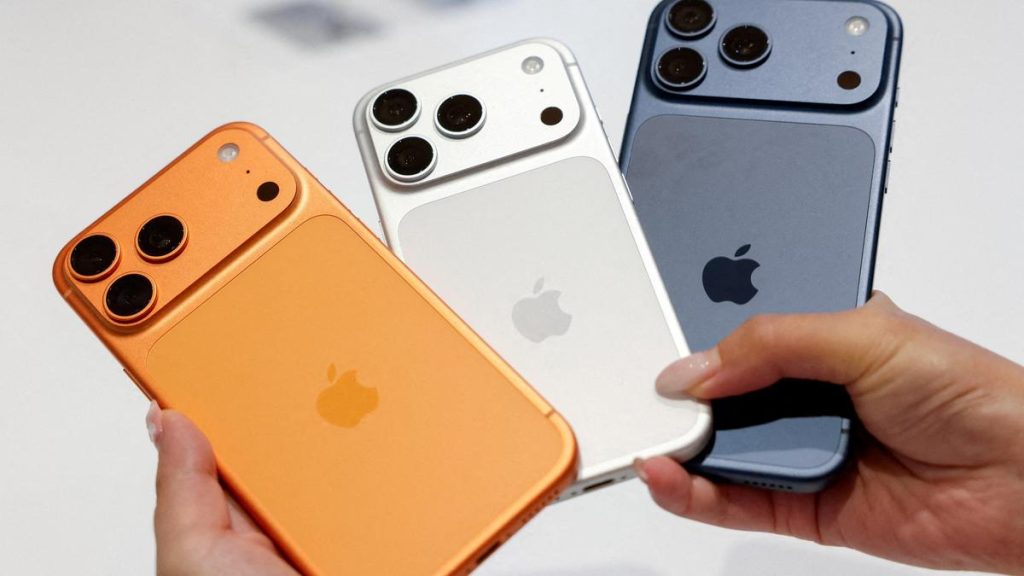
However, it is likely to remain a comparatively resilient due to the sustained demand for the iPhone 17 series. Apple shipments are expected to decline by around 2.1% in 2026, before returning to growth of around 2.8% in 2027, noted Counterpoint Research.
Premium segment is likely to continue its strong performance, while the mass market segments bear the brunt of the market retreat. “Mobile memory remains the most significant constraint, while higher chipset prices are adding pressure across premium, mid-range and legacy product platforms. Manufacturers are expected to respond to these challenges by reducing memory configurations, using older platforms, raising prices or discontinuing products that can no longer meet profitability targets. Foldables and on-device AI should support product differentiation and premiumization but are not expected to create a broad shipment supercycle.
Because of their broad geographic presence, supply chain depth and more reliable access to memory and semiconductor supply, samsung is believed to do well. It is also optimistic that Apple may launch their first foldable smartphone in Q3 2026 . Contrary to Apple, Samsung smartphone shipments are expected to grow by approximately 0.8% in 2026, despite wider market’s decline. Toward the end of the decade, wider commercialization of 6G-capable devices should support an incremental upgrade cycle and help the market move back toward the shipment levels typically recorded during 2024 and 2025.
“Possible higher launch pricing of the iPhone 18 series, and changes to the timing of Pro and base-model introductions across the 2026 and 2027 product cycles could affect quarterly demand and channel inventory,” the research firm expects.
