
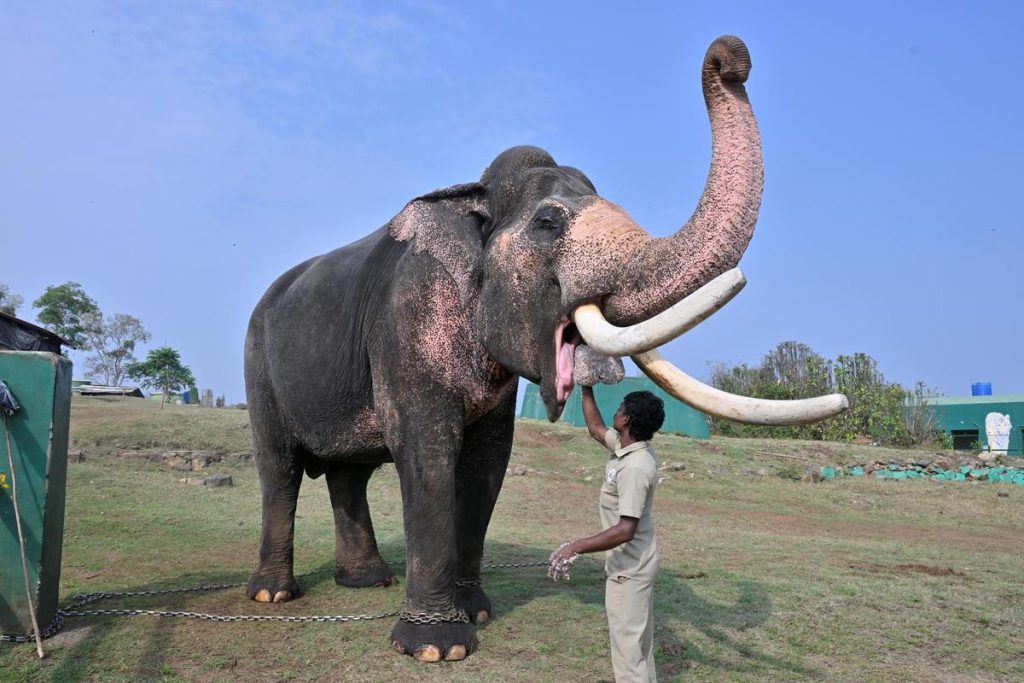
“Long before biodiversity became a science, Indigenous communities knew the forests by heart. They carry generations of knowledge about elephants, grasslands, forests, medicinal plants, wildlife, water and seasons, shaped by centuries of living with nature. Across the world, Indigenous Peoples are guardians of some of the Earth’s most precious ecosystems and its remaining biodiversity. Their deep connection with the land, passed down through generations, offers invaluable lessons in living sustainably with nature. On World Indigenous Peoples’ Day, let us honour their wisdom and resilience, amplify their voices, protect their rights and, above all, learn from them,” tweeted Supriya Sahu, Additional Chief Secretary, Government of Tamil Nadu turning the spotlight on the indigenous communities, the unsung heroes who dedicate a lifetime caring for the animals.
“There’s no path we have not trodden in this forest. My ancestors and their elephants have roamed the forests and created the path for us. We blindly follow. Mani calls Kaleem his older brother. Malasar , a six-minute conservation film, narrated by actor Nasser, available on YouTube shows not just the sacred bond between elephants and the Malasar tribes of the Anamalai Hills but also the need to protect the tribe’s identity and conventional wisdom. Recognised as one of the earliest known groups living in the Anamalai Hills across Tamil Nadu and Kerala, Malasar community has a deep historical connection to the ATR. British forest authorities recruited Malasars for their exceptional tracking skills, and knowledge of wild elephants to transport heavy timber and clear paths. The community plays an active role in wildlife management, earning national honours such as the Gaj Gaurav Award for elephant conservation. Mitigating human-elephant conflict has been among the key priorities of Project Elephant by the Ministry of Environment, Forest and Climate Change. A flagship elephant conservation initiative by the Government of India, it provides the necessary funding and technical backing for various States. In the recent past, the project has been supporting various technology-driven solutions for man-animal conflict. This includes AI-enabled monitoring and early warning systems. In Coimbatore, for instance, that is constantly in the news for negative human, elephant interactions, AI-based systems that have been installed by railway tracks in the Madukkarai forest range, have proven that elephant deaths can be reduced with technology. However, scientists warn that technology has to be used with proper planning and on-field study. “Technology is just a tool. It has to be used in conjunction with constant monitoring of elephant movement.”
Actor Nasser’s calming, emotion-packed voice speaks for 51-year-old Mani, the caretaker of Kaleem, a 53-year-old elephant. M Ananda Kumar, scientist, Nature Conservation Foundation points to the August 13 tragedy as a case in point.
“Elephant deaths do occur despite these AI systems,” he says.
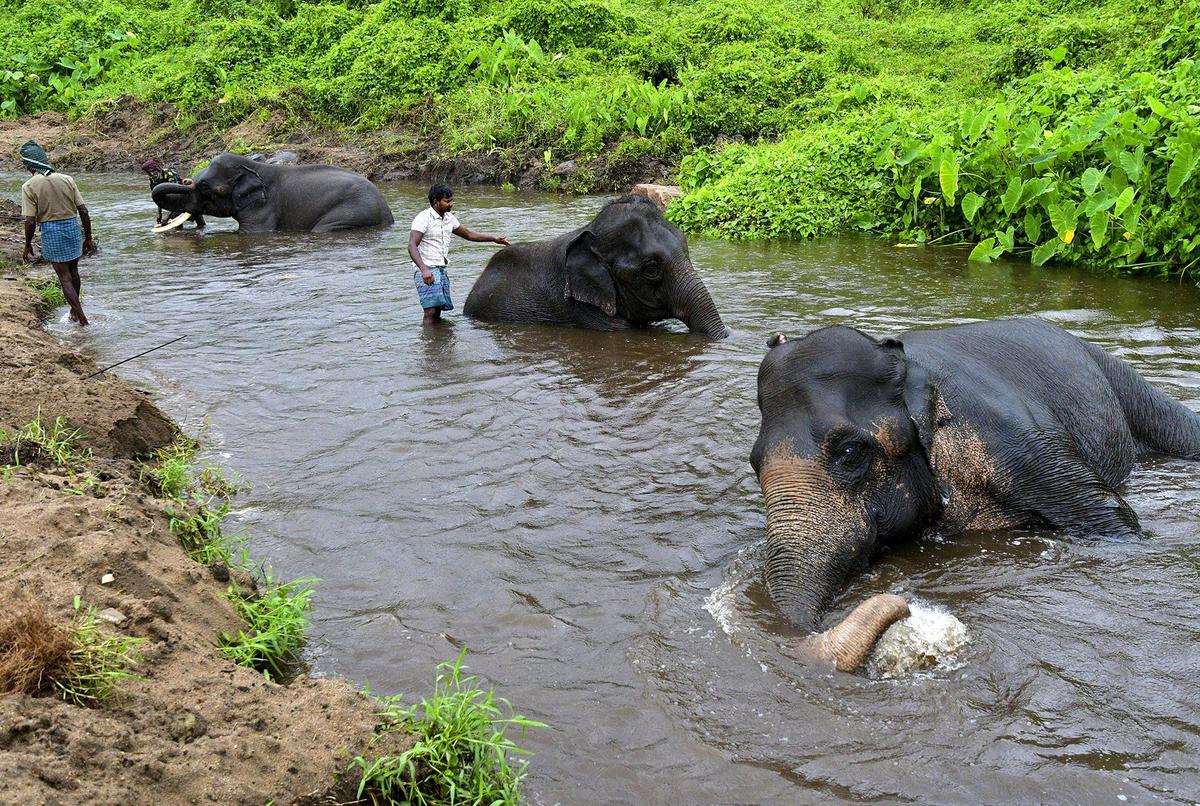
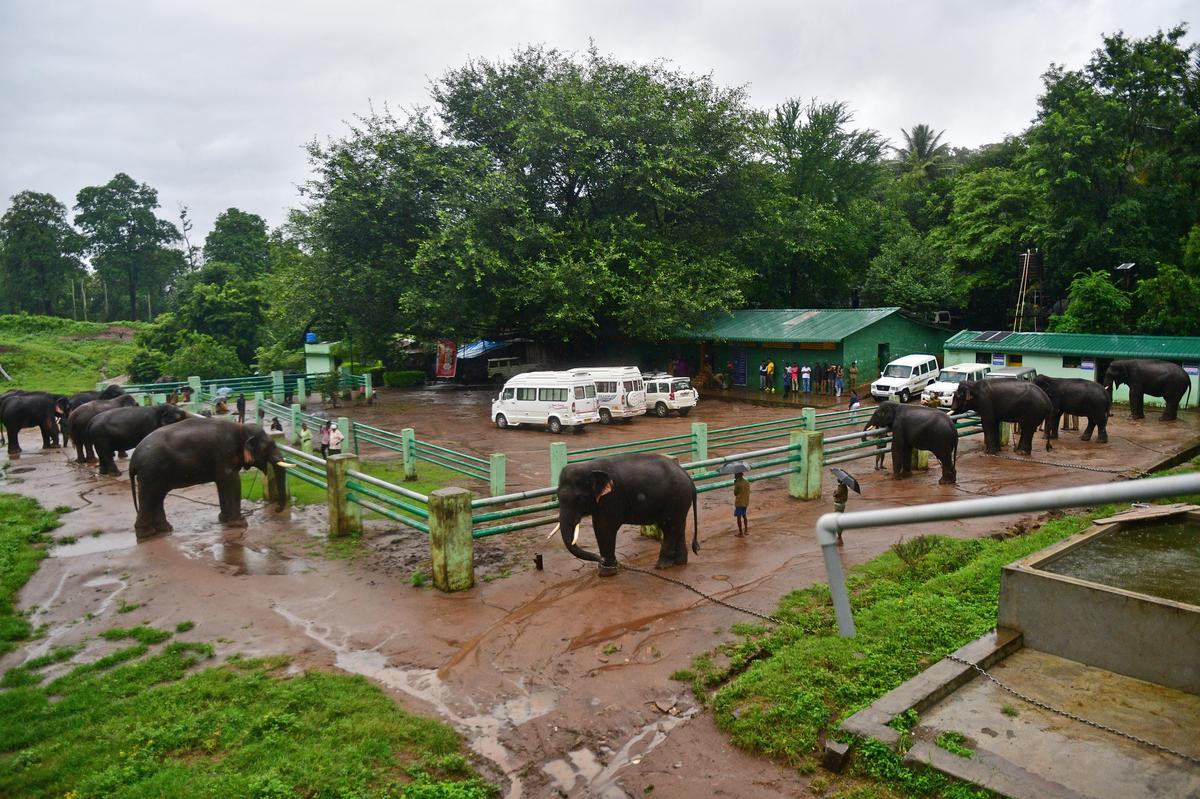
Most technology-driven solutions, points out Ananda Kumar, do not consider the elephant’s perspective. Their design takes into consideration only manmade structures and the comfort and everyday lives of people. But what about elephants?
Fencing across forest fragments, for instance, may “deflect elephant movement into roads, leading to more conflict,” he says. “Mitigating human-elephant conflict will be possible only if there is an understanding of both species,” he says.
