
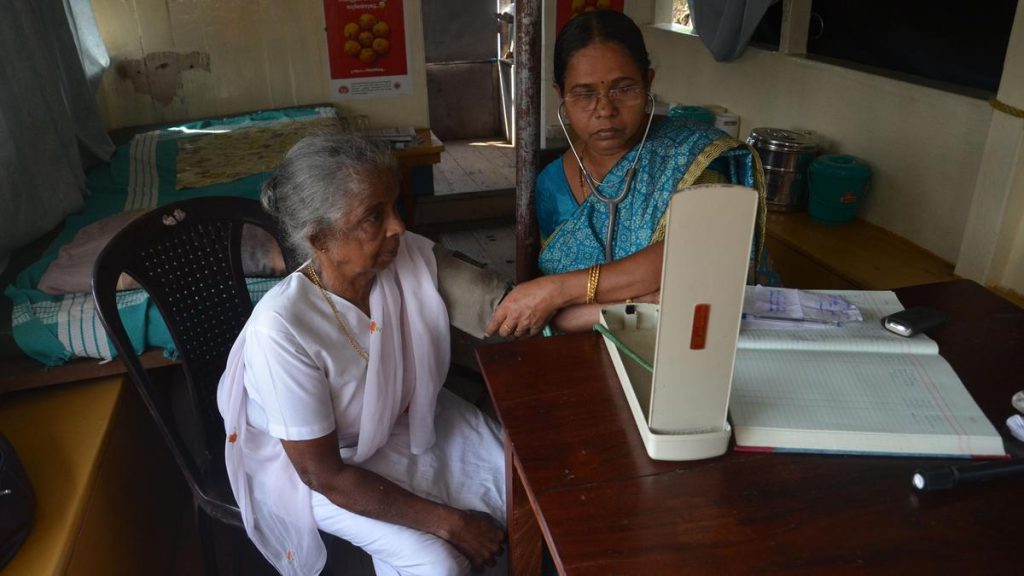
Trust in medicine is frequently thought of as a sacred, isolated bond between patient and doctor. India marked Doctors’ Day on July 1, but the occasion demands that we continue to look beyond well-deserved expressions of gratitude and reflect on the structural foundations that sustain public confidence in health care.
In reality, that trust is forged much earlier — within the institutions that regulate care, the systems that deliver it, and the transparency that connects them.
India has seen a worrying rise in violence against health-care workers. deep-seated systemic mistrust is often the spark that escalates conflict While the root causes are multifactorial. In these high-stress settings, transparency is a protective shield, not an administrative burden. A system that is completely honest about limitations and constraints within clinical care makes it less likely that individual frontline doctors will become the sole targets of a family’s anger and resentment.
The Indian Medical Association reports that over 75% of doctors have faced some form of workplace violence.
