
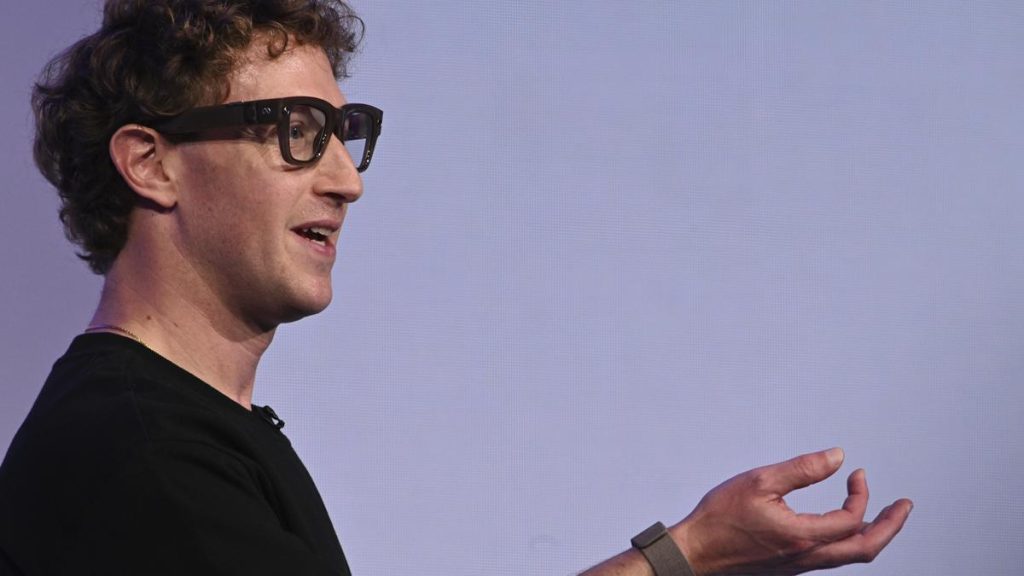
Meta’s AI glasses are sparking backlash both in India and overseas, months after their release, with people complaining of privacy violations and harassment.
What Is New
The initial rollout of the AI glasses, made in collaboration with companies such as Ray-Ban, involved full-page newspaper ads in India, video commercials, and partnerships with social media influencers. In the U.S., for example, socialite Kylie Jenner teamed up with the company to promote the Meta Starfire Kylie Edition. However, celebrities and public figures have faced flak in recent weeks over their collaboration with Meta.
Features and Changes
If the white light is blocked by the user, it is designed to disable the active camera. This feature begins with Meta’s second generation of glasses.
Why It Matters
Standardised rules governing the use of Meta AI glasses near sensitive areas, military sites, or in medical or childcare settings have not yet been confirmed and enforced. Users who visit the official Ray-Ban | Meta account on Instagram can also see dozens of angry or disgusted comments left by users who criticise the technology or slam the influencers who endorse these smart glasses. Others accuse the AI glasses wearers of being sexual perverts secretly recording others, in an effort to shame wearers into leaving the devices at home. Community-led and grassroots efforts in India to trigger legislation against AI glasses and smart glasses are still in the rudimentary stages and lack widespread support.
Many who are against Meta’s AI smart glasses have taken to calling them “pervert glasses” or “creep glasses,” in an effort to negatively rebrand them. One anti-Meta ad campaign in London that went viral online featured a standing poster with the disgraced financier and late child sex abuser Jeffrey Epstein wearing the smart glasses, while the slogan stated: “Glasses for people who don’t do consent”.
