On a small island in the Indian Ocean with a population of just 1.26 million, tourism is not simply an industry, it is the economic backbone. Which is why what is happening in Mauritius today is both interesting and important: conservation has moved from the margins to the mainstream.
Event Context
Luxury hotels are leading the shift. Almost all the top-tier resorts are deeply invested in protecting the ecosystems that sustain them — through scientific research, full-time marine biologists, structured education programmes, and long-term ecological restoration.
“Sustainability has to be a core pillar,” says Anand Shekhawat, a keen watcher of conservation efforts worldwide, former global head of sustainability for Aman Resorts and founder of Sariska Lodge in Rajasthan. “The subject is vast, making it important for organisations to engage with sustainability managers who work on areas ranging from water, air, soil, flora and fauna, to communities and education.”
Sustainability managers work on areas ranging from water, air, soil, flora and fauna, to communities. | Photo Credit: Getty Images/iStockphoto
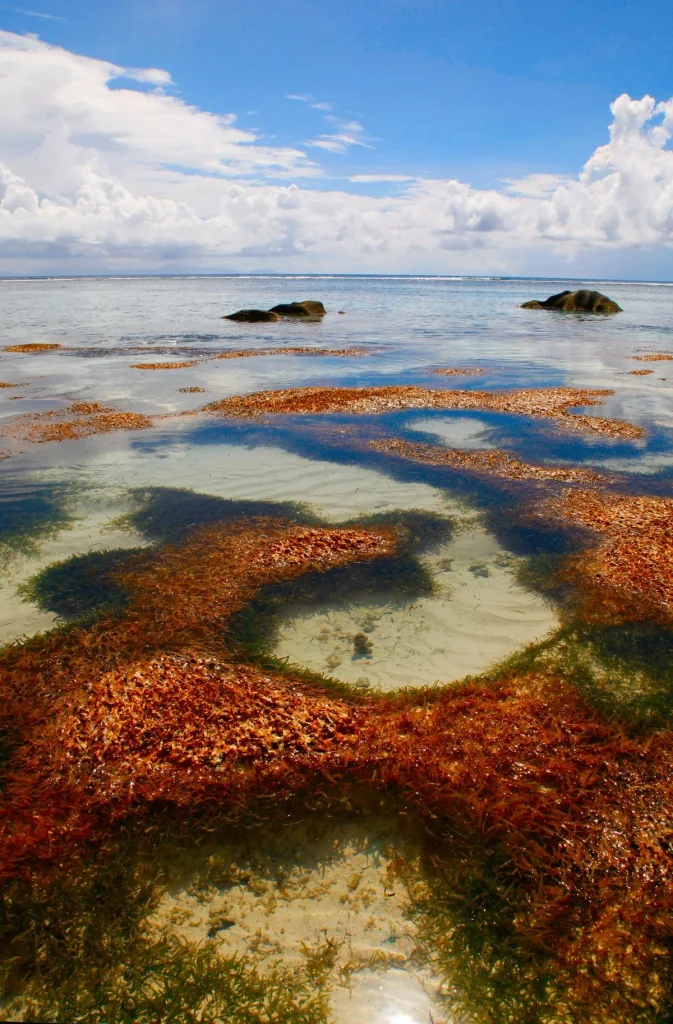
Let’s begin by mapping the sustainability infrastructure in Mauritius. In the south, Heritage Resort in Bel Ombre employs full-time marine biologists who work on the regeneration of seagrass and coral ecosystems. They have also been running a Marine Education Centre in partnership with Reef Conservation for the last two years helping introduce guests to lagoon biodiversity, coral reefs, seagrass beds and coastal forests — fragile systems that underpin Mauritius’s postcard beauty.
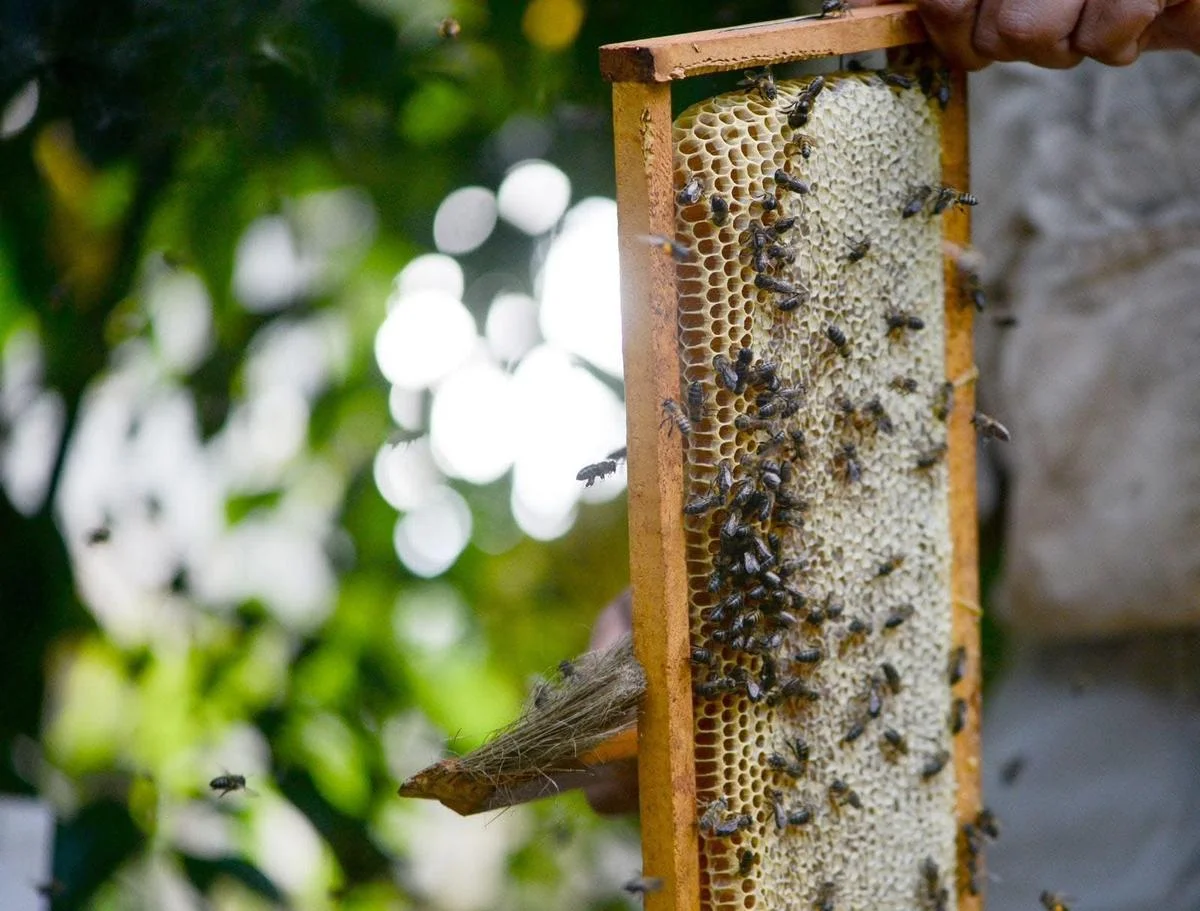
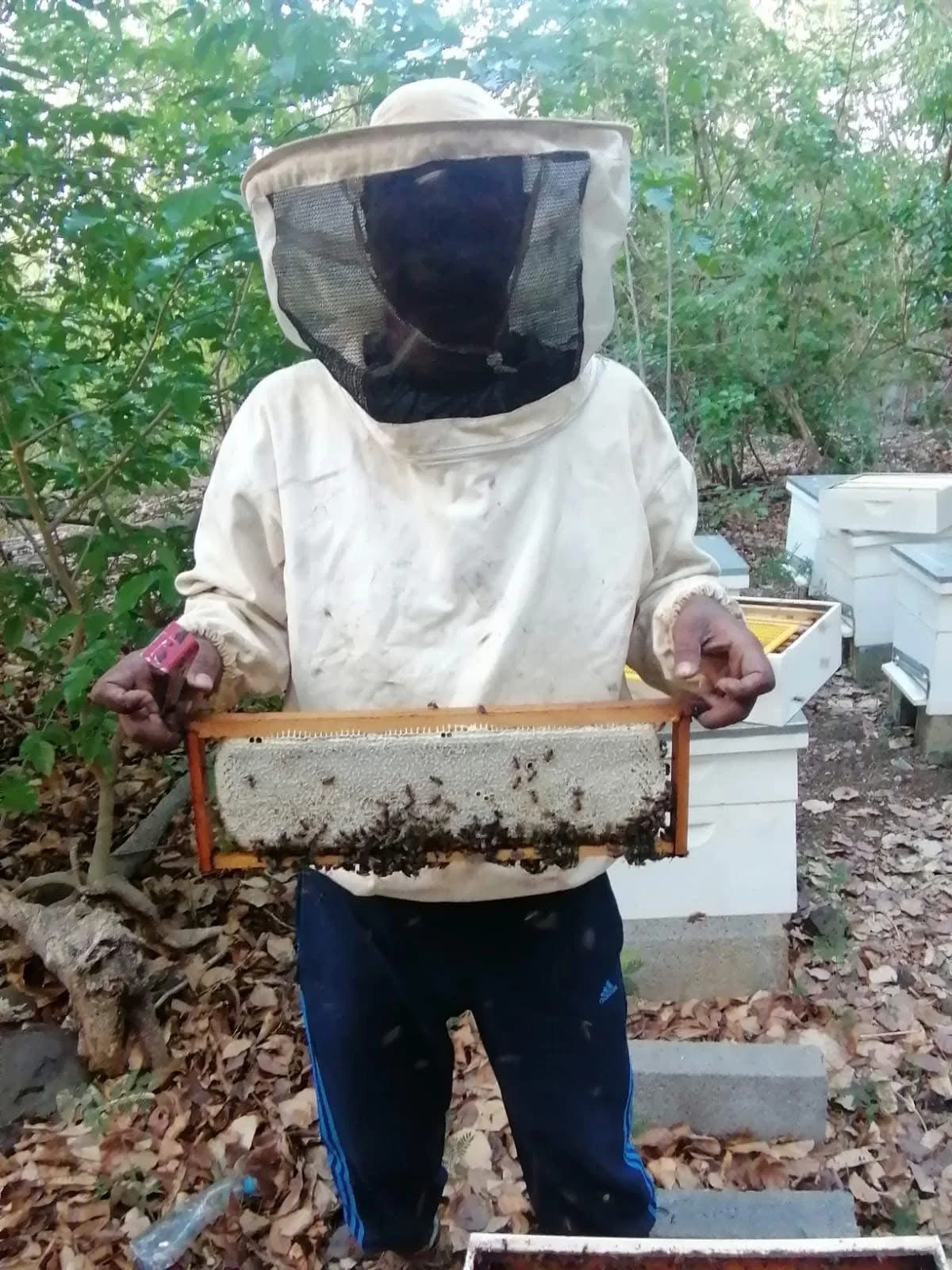
“We have planted around 1,000 coral fragments, and this has already improved biodiversity and the number of fish in the area. For the bee project [introduced last May], we started with eight hives and around 250,000 bees. Now there are around 500,000. We are collecting data to study its impact.” Edited excerpts from a conversation with Bonnier:
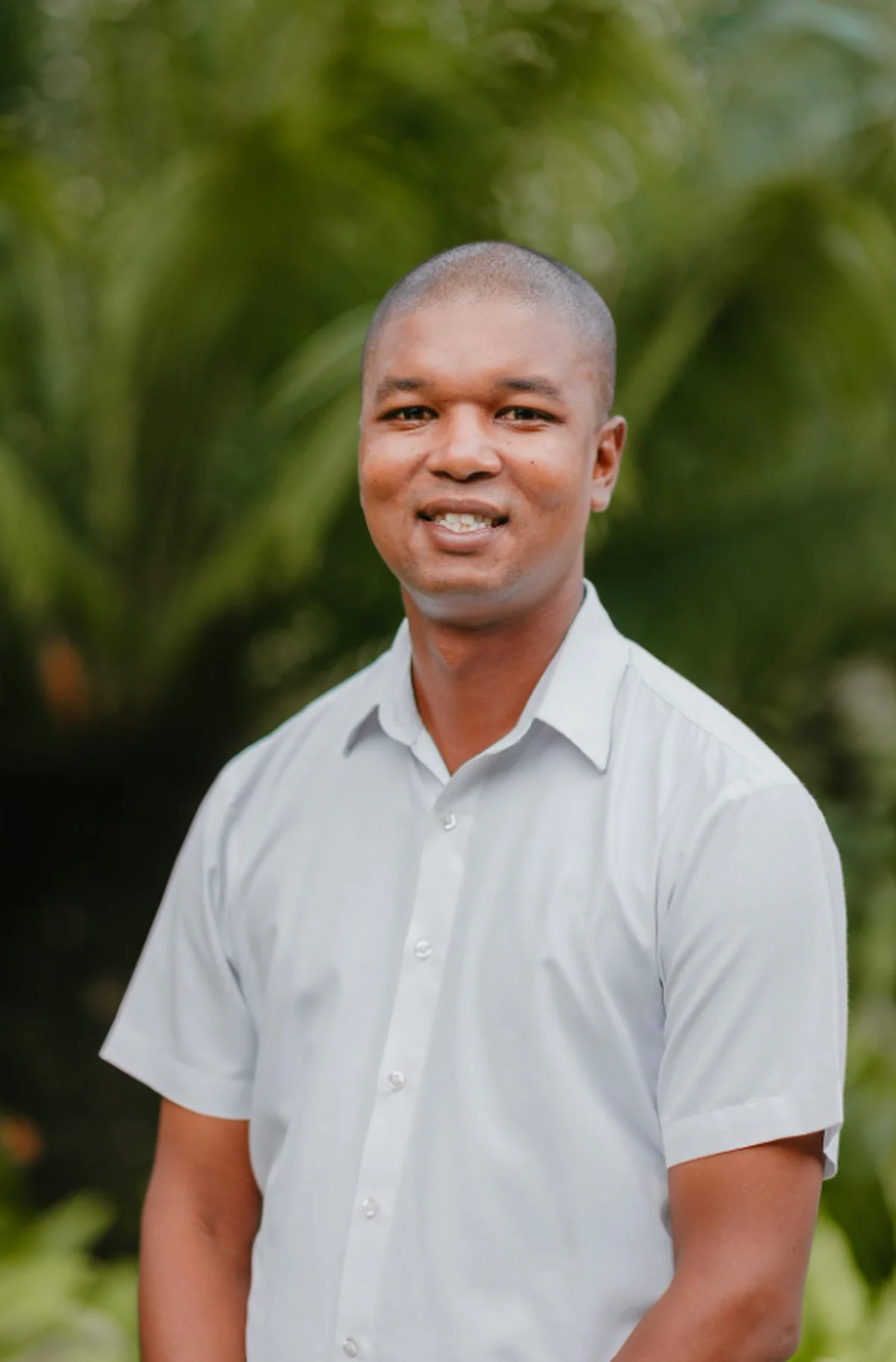
Rick Bonnier, Four Seasons Mauritius’ Ocean Environment Manager | Photo Credit: Special arrangement
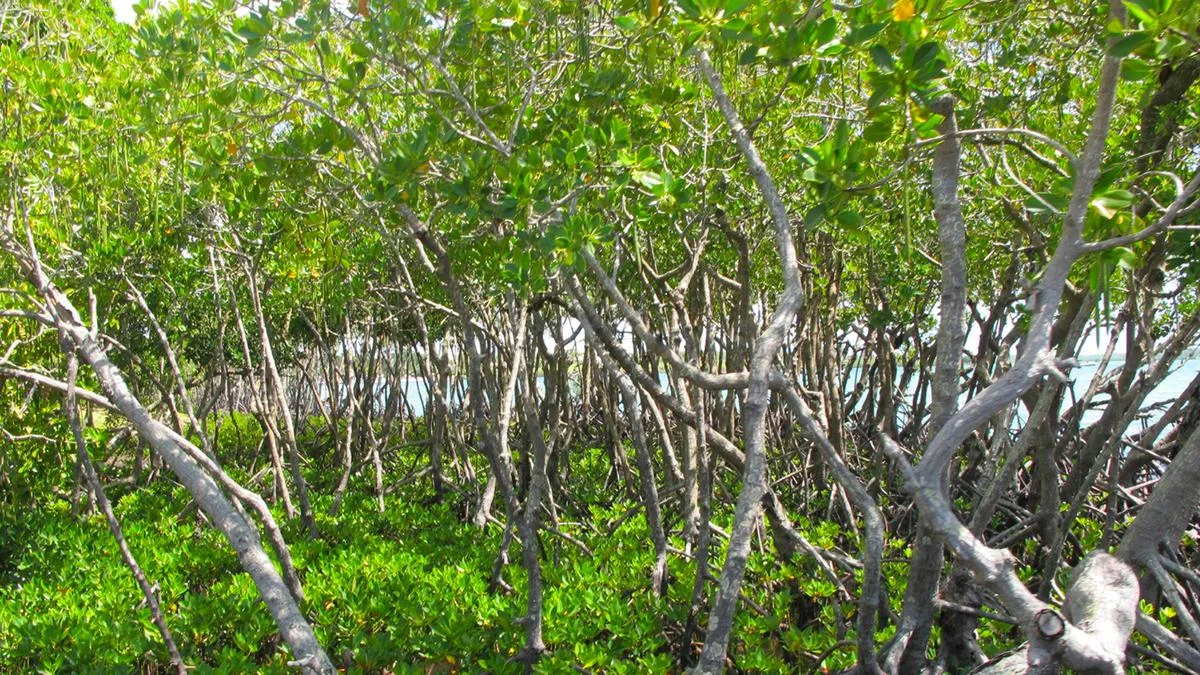
We are surrounded by mangroves, which are highly dynamic ecological systems, and bees are essential pollinators, including for mangrove flowers. Our aim is to create a safe space for bees — whose populations worldwide are declining due to habitat destruction, pesticide use and pollution. They increase pollination around the mangroves, and strengthen the surrounding ecosystem.
Bees are essential pollinators, including for mangrove flowers. | Photo Credit: Special arrangement
bees increase pollination around mangroves and strengthen the surrounding ecosystem. | Photo Credit: Special arrangement
Mauritius is seeing a growing number of serious environmental initiatives. The Odysseo Foundation [an organisation dedicated to restoring Mauritius’ marine ecosystems] is pioneering seagrass farming — one of the first such projects in the Indian Ocean using seagrass seeds — and we are collaborating with them for phase two by providing a stretch of the resort’s seafront. There is also coral farming led by Secore [a non-profit focused on coral reef conservation], where coral eggs are collected during spawning, grown in laboratories, and reintroduced into the sea. Sea cucumber farming projects are also underway, helping to restore balance to reef ecosystems.
The writer, consultant, and entrepreneur’s latest venture is bespoke small group tours, which she curates and accompanies.
Player Focus
The first goal is increased biodiversity. A single honeybee can visit anywhere from 50 to 1,000 flowers in one trip, and effective pollination increases not just yield, but also the quality of fruits and plants. It also helps protect crops against pests, creating a stronger ecosystem. The second goal is producing high-quality, distinctive honey.
Team Analysis
On the west coast, Sugar Beach in Flic-en-Flac has its own resident scientist, embedding environmental stewardship into daily resort life. Further north, Attitude hotel has taken an immersive approach through its Marine Discovery Centre where conservation is participatory: citizen science programmes led by marine biologists, organised beach clean-ups, guest participation in updating marine databases.
“A lot of hotels are doing great work in conservation. Six Senses Svart in Norway is an off-grid, energy positive hotel. [The CEO has announced a Net Zero Lab to develop and market the technology to help net-zero travel.] Shinta Mani Wild in Cambodia is located in the middle of a forest and actively works to protect local fauna by funding armed ranger patrols to remove animal traps and catch poachers. Island resorts [in Mauritius and elsewhere] are also looking at Ocean Thermal Energy Conversion to reduce reliance on fossil fuels.”Anand ShekhawatFounder, Sariska Lodge
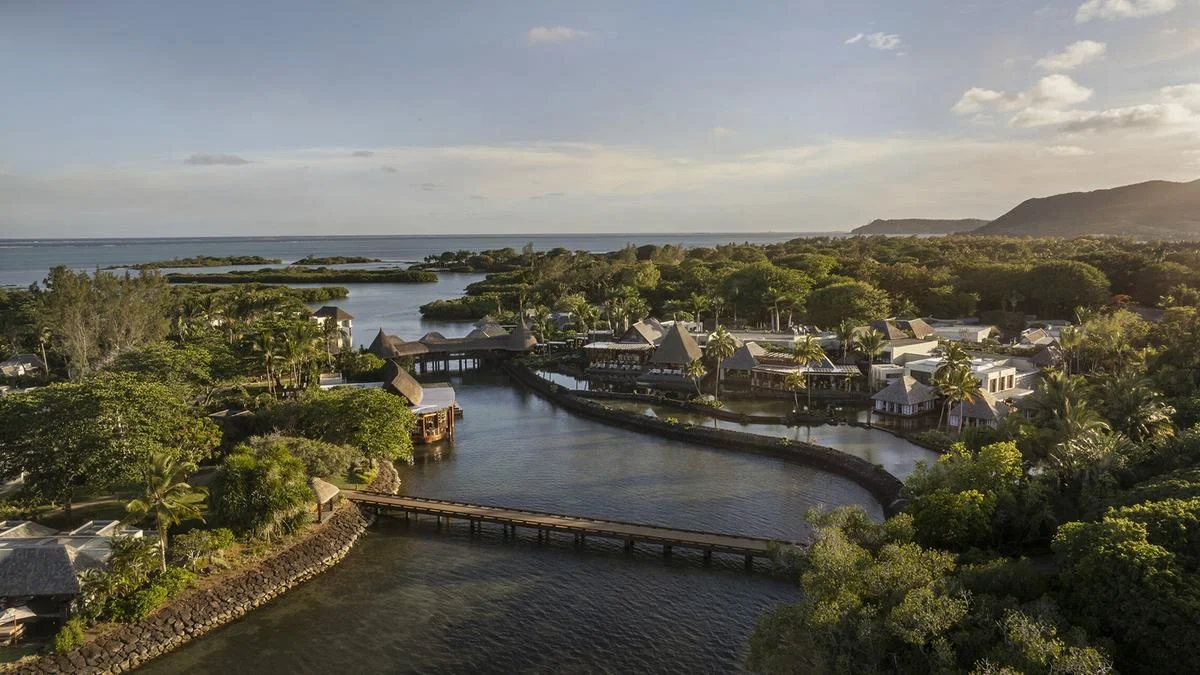
To study how this movement has matured over time, Four Seasons Mauritius’ coral restoration project that began in 2015 is a good example. As is the preservation of seagrass meadows within the resort’s lagoon. In 2021, the resort on the east coast expanded into seahorse regeneration initiatives, and more recently into reef restoration and beehive protection across its sprawling 64-acre property. “We aim to restore 10,000 sq. m of coral reef,” shares conservationist Rick Bonnier, the resort’s Ocean Environment Manager.
Four Seasons Mauritius focuses on preserving seagrass meadows, seahorse regeneration, reef restoration and beehive protection. | Photo Credit: Special arrangement